
wellbeing11 min read
Academic Burnout: Signs, Causes, and How to Recover
Spot the signs of academic burnout, learn what drives it, and follow a four-week recovery plan for students that protects your grades and your health.
Not every popular study method holds up in research. These guides explain the techniques with the strongest evidence and show how to use them in real courses and exams.
Showing 67 articles taggedStudy Techniques.
Page 5 of 6
Spot the signs of academic burnout, learn what drives it, and follow a four-week recovery plan for students that protects your grades and your health.

Study tips for high school students that work: how to study for tests, handle AP and IB workloads, build habits by grade, and get ready for college.

Escape tutorial hell and learn programming faster: rewrite code from memory, trace it by hand, review concepts on a schedule and finish small projects.

Does speed reading work? What eye-movement research says about the speed vs comprehension trade-off, the myths, and when skimming or deep reading is right.

How to take lecture notes you can study from: what to do before, during, and after class, whether to type or handwrite, and a page template to copy.

Memory encoding explained for students: levels of processing, semantic and elaborative encoding, and eight encoding strategies that make new material stick.
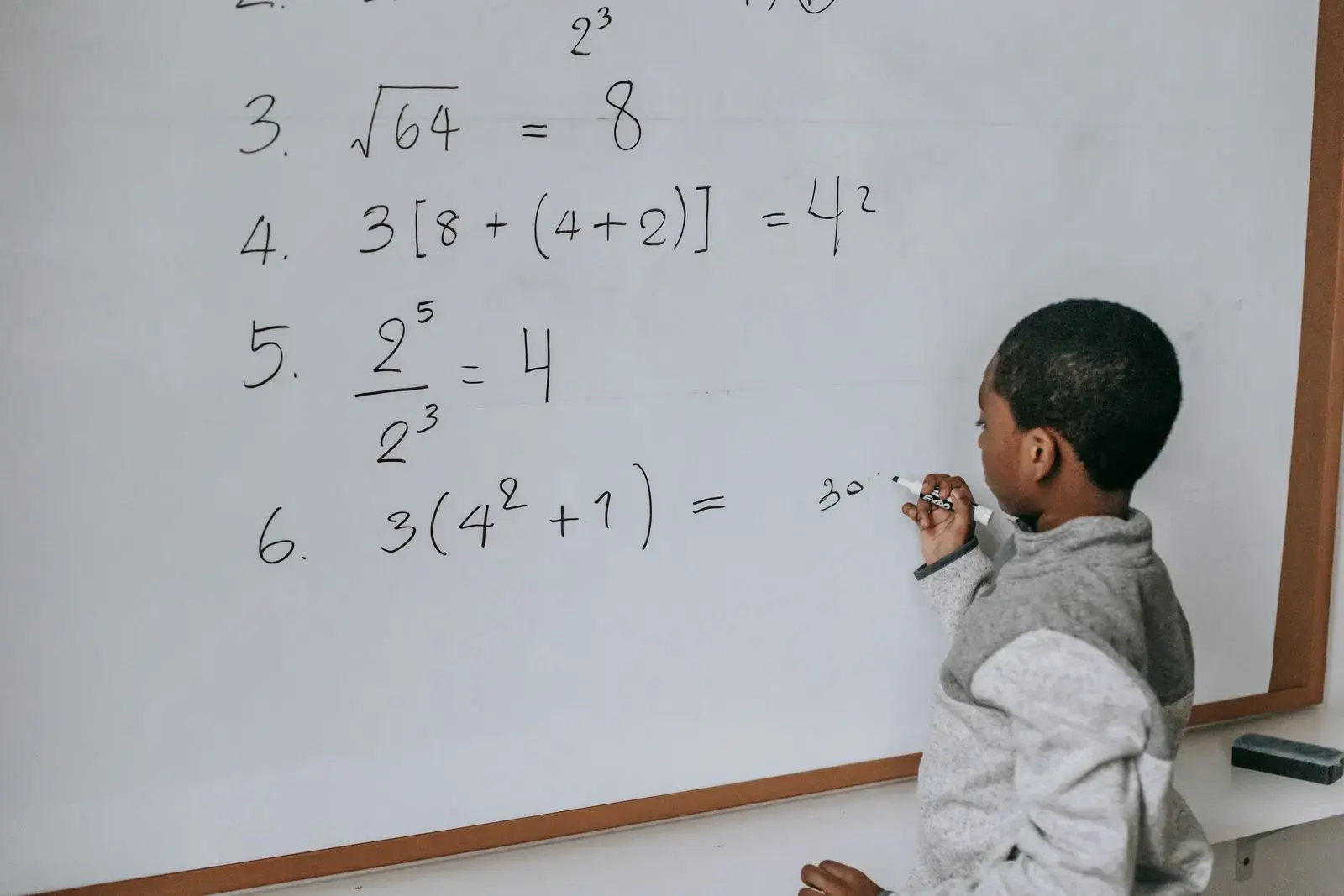
Working memory explained for students: Baddeley's model, the four-chunk limit, why brain training doesn't transfer, and study strategies that work within it.

Transfer of learning explained: near vs far transfer, why knowledge gets stuck in the classroom, and study methods that help you apply it to new problems.

Cognitive load theory for students: intrinsic, extraneous and germane load, the worked-example effect, and practical ways to stop overload when you study.

Schema theory explained for students: Bartlett, Piaget, why prior knowledge speeds up learning, and a worked example of building a schema for a new topic.
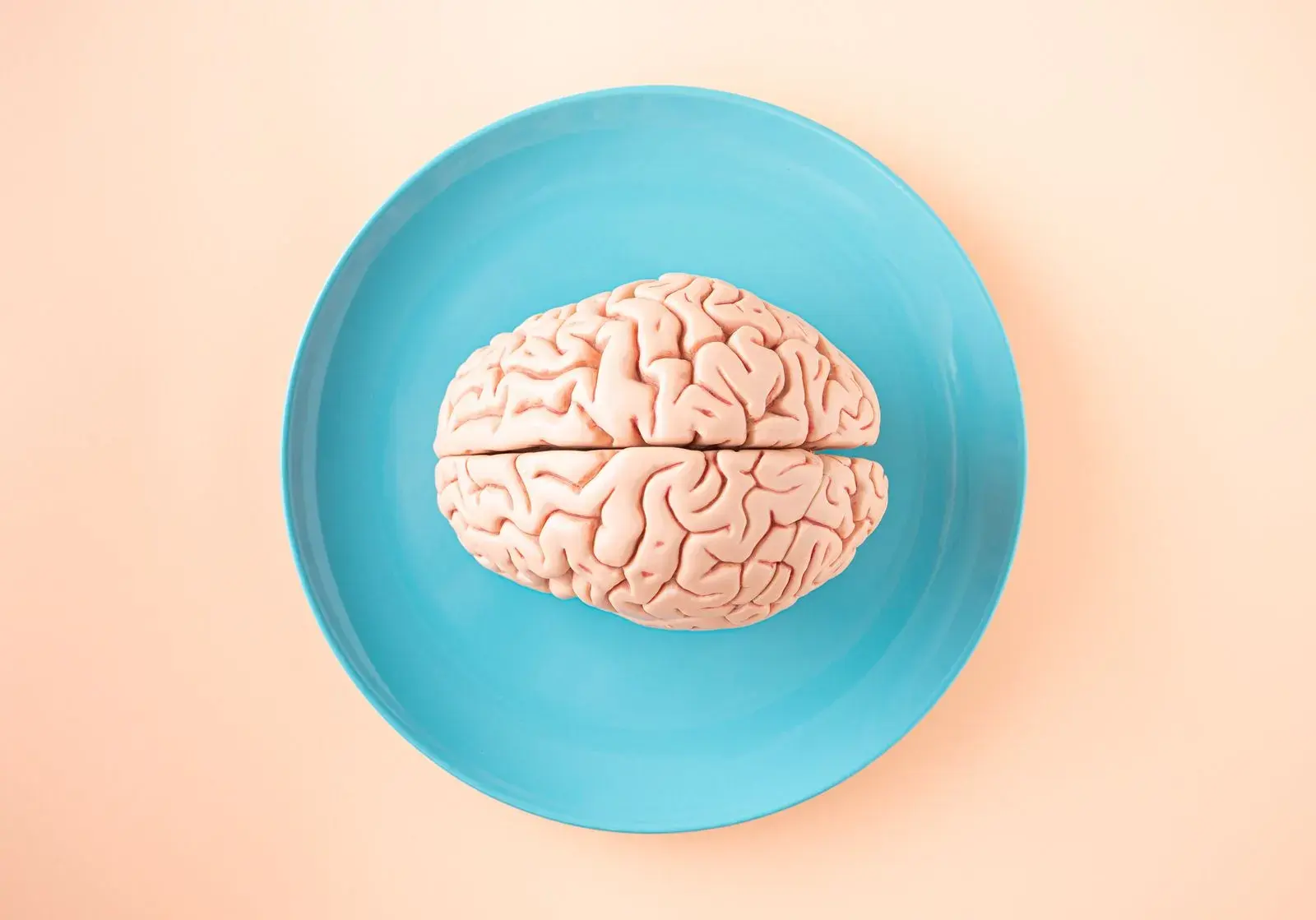
How neuroplasticity works when you learn: synapses, myelin and practice, what is evidence versus hype, and what it means for how you study day to day.

Bloom's taxonomy for students: the six revised levels with verbs, question stems, a worked example for one topic, and how to write study questions above recall.