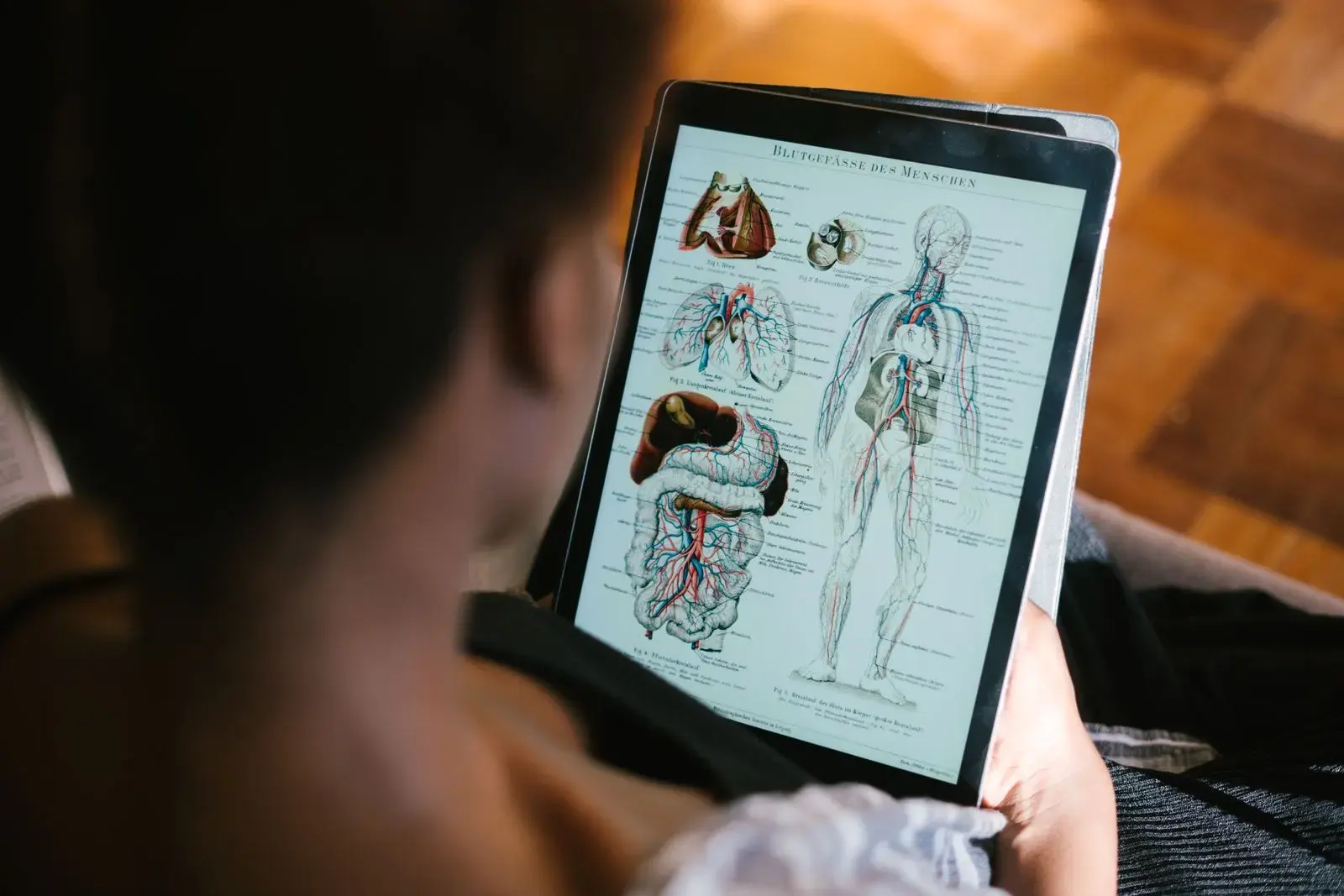
Featured article
Best Flashcard Apps for Medical Students in 2026
The best flashcard apps for medical students compared: Anki with AnKing, RemNote, Brainscape, Quizlet, Picmonic and AI generators, plus a safe AI card workflow.
Oct 9, 202614 min read
Medical exams test a huge volume of facts and how they connect. These guides cover study plans for the USMLE, MCAT, NCLEX, and NEET, and how to use spaced repetition in medical and nursing school.
Showing 9 articles taggedMedical Exams.

A 3-month MCAT study plan built on the AAMC outline: a diagnostic, content review with active recall, daily CARS, weekly full-lengths and a final-week taper.

An 8-week NCLEX study plan built on the 2026 NCSBN test plan: a diagnostic, daily case-study practice, an error log, spaced review, and readiness checks.

A NEET study plan built on the NMC syllabus and NTA pattern: a monthly timetable, Biology diagram recall, daily MCQ practice, error logs and spaced revision.
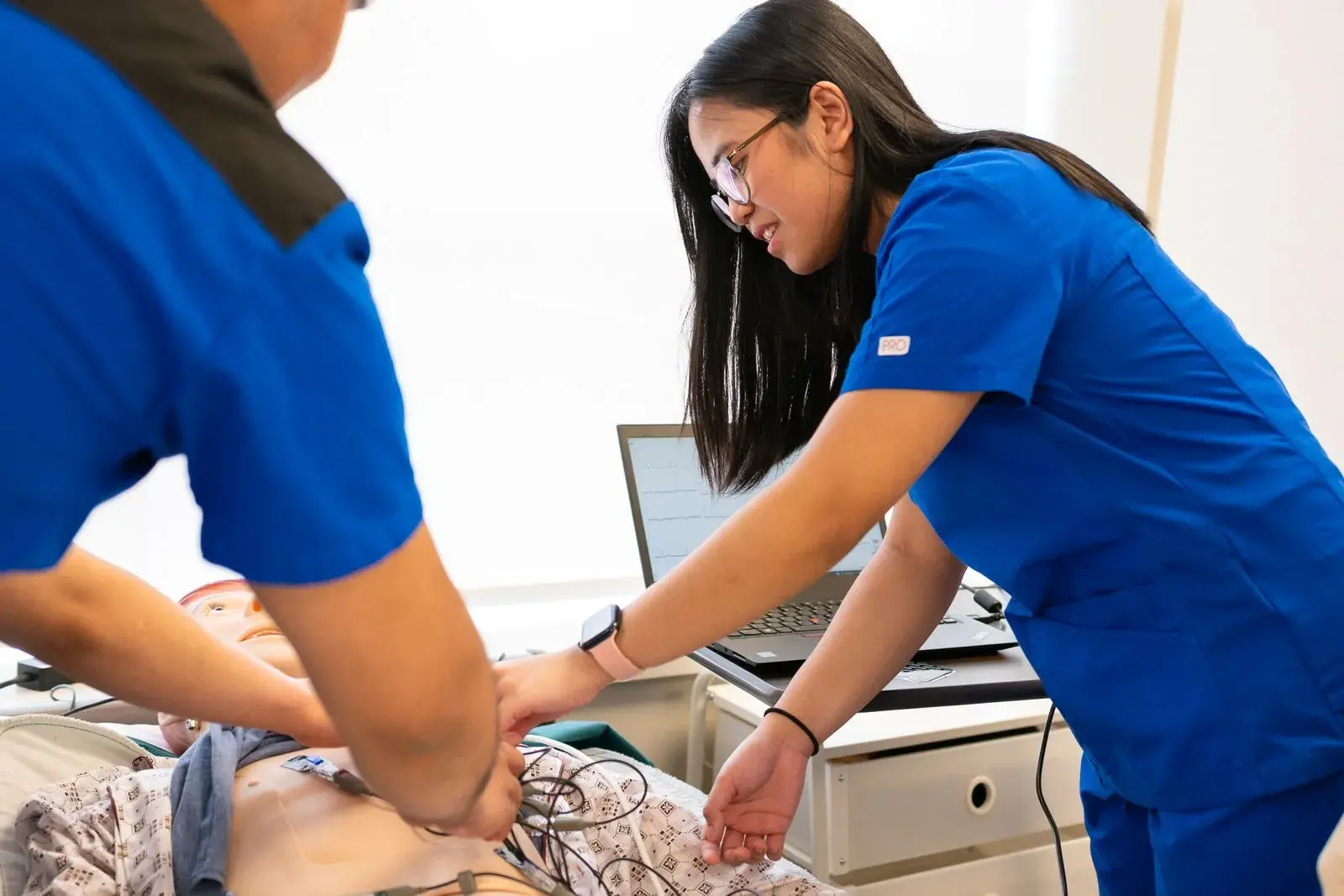
How to study in nursing school: turn lectures into NCLEX-style questions, learn meds with spaced recall, practice clinical judgment, and plan every week.
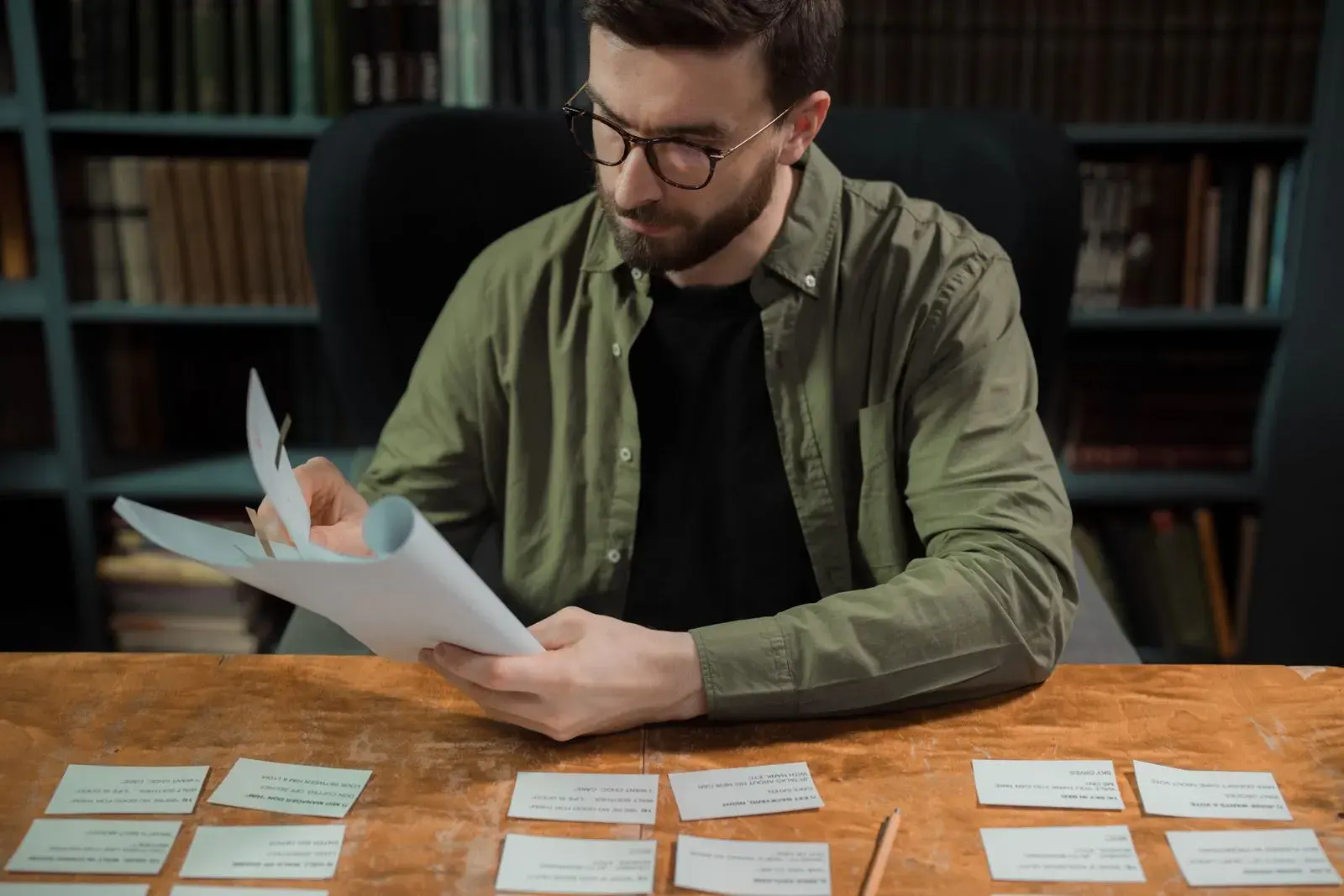
Spaced repetition for medical school without drowning in reviews: new Anki cards per day, FSRS settings, AnKing vs your own cards, and pairing with a qbank.

Plan USMLE Step 1 now that it is pass/fail: a baseline NBME, a 6-week dedicated schedule, daily question blocks, spaced Anki review and buffer days.

Build a Step 2 CK study schedule: 4 to 8 weeks of dedicated study, 80 to 120 questions a day, NBME checkpoints and spaced review of missed decisions.

How to study in medical school without burning out: a daily active recall routine, Anki, question banks, and how the system scales to Step 1 and Step 2 CK.