
learning science11 min read
The Learning Styles Myth: Why VARK Doesn't Work
Are learning styles real? What the evidence says about VARK and the meshing hypothesis, why most teachers still believe it, and what helps learners instead.
Not every popular study method holds up in research. These guides explain the techniques with the strongest evidence and show how to use them in real courses and exams.
Showing 67 articles taggedStudy Techniques.
Page 4 of 6
Are learning styles real? What the evidence says about VARK and the meshing hypothesis, why most teachers still believe it, and what helps learners instead.
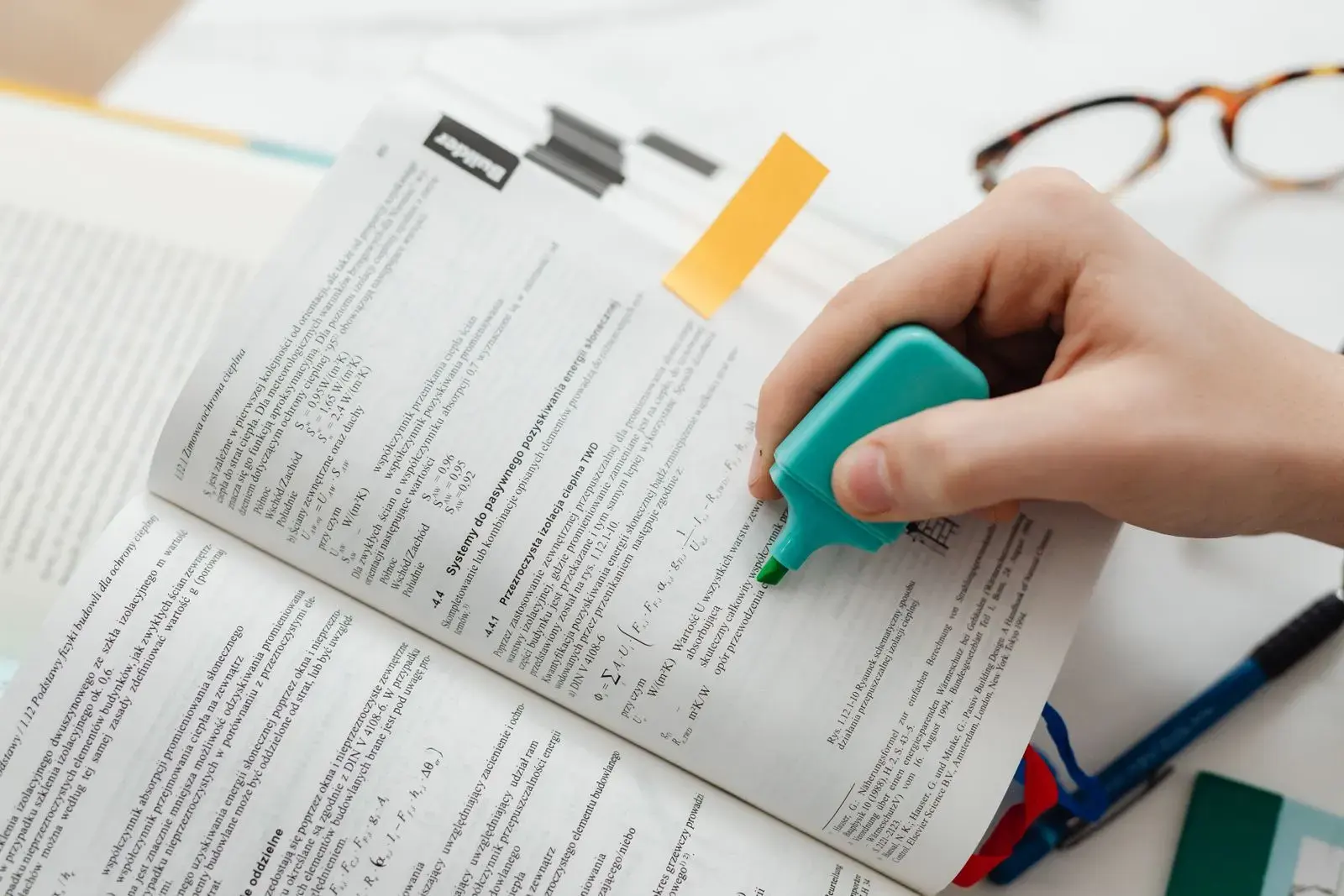
Is highlighting effective? Research rates it low utility. See why it rarely helps, when it can, and how to turn highlights into questions you can recall.

Desirable difficulties make studying feel harder but make learning last. See Bjork's examples, the research, when difficulty backfires, and how to use it.

The Feynman technique in 4 steps, with a fully worked example (why we have seasons), examples from 5 subjects, a template to copy, and why it works.

The Leitner system turns paper flashcards into spaced repetition. Set up 3 to 5 boxes, follow a weekly review schedule, and know when to switch to an app.

The chunking memory technique groups facts so working memory can hold more. See real examples, why Miller's 7±2 is outdated, and how to chunk your notes.
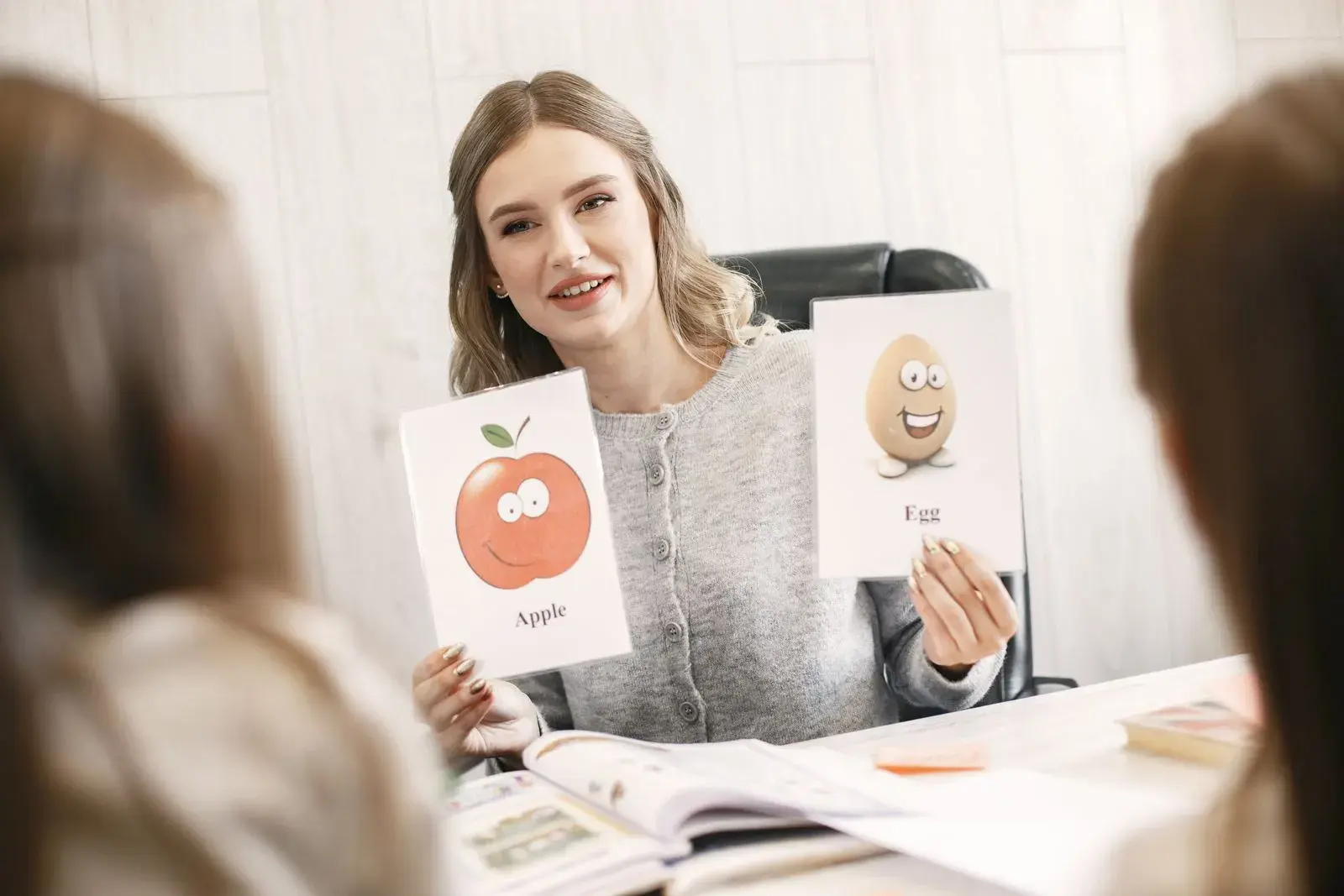
Mnemonic devices that work for students: acronyms, acrostics, the keyword and peg methods, 30+ examples by subject, and when active recall works better.

The SQ3R method in 5 steps (survey, question, read, recite, review), with a real biology textbook example, a fill-in worksheet, and how it compares to PQ4R.

Are study groups effective? Yes, when you quiz and teach each other instead of rereading together. The research, roles, a 60-minute agenda, and when to go solo.

The protégé effect explained: why preparing to teach and teaching others boosts your own learning, what the research really shows, and 6 easy ways to use it.

Deliberate practice explained: Ericsson's violin study, what later replications found, why the 10,000-hour rule misleads, and how students can apply it.

How to make a practice quiz that improves recall: pick question types, write fair multiple-choice options, add answer explanations, and use our free template.