Learning Science — All Articles

Learning science studies how people remember and understand. These articles explain the key findings in plain language and what each one means for how you study.

Showing 45 articles taggedLearning Science.

Top view of a desk with blue sticky notes, a spiral notepad, and lined papers
spaced repetition14 min read

What Is Spaced Repetition? How It Works, Schedules to Copy

Spaced repetition means reviewing just before you forget. How it works, schedules to copy for paper or apps, and how SM-2 and FSRS set your intervals.

Pink and blue sticky notes and a cup of colored markers on a wooden desk
active recall12 min read

Active Recall vs Passive Learning: Why Rereading Fails

Rereading feels productive but builds recognition, not recall. See the research on active recall vs passive learning and a 7-day plan to switch over.

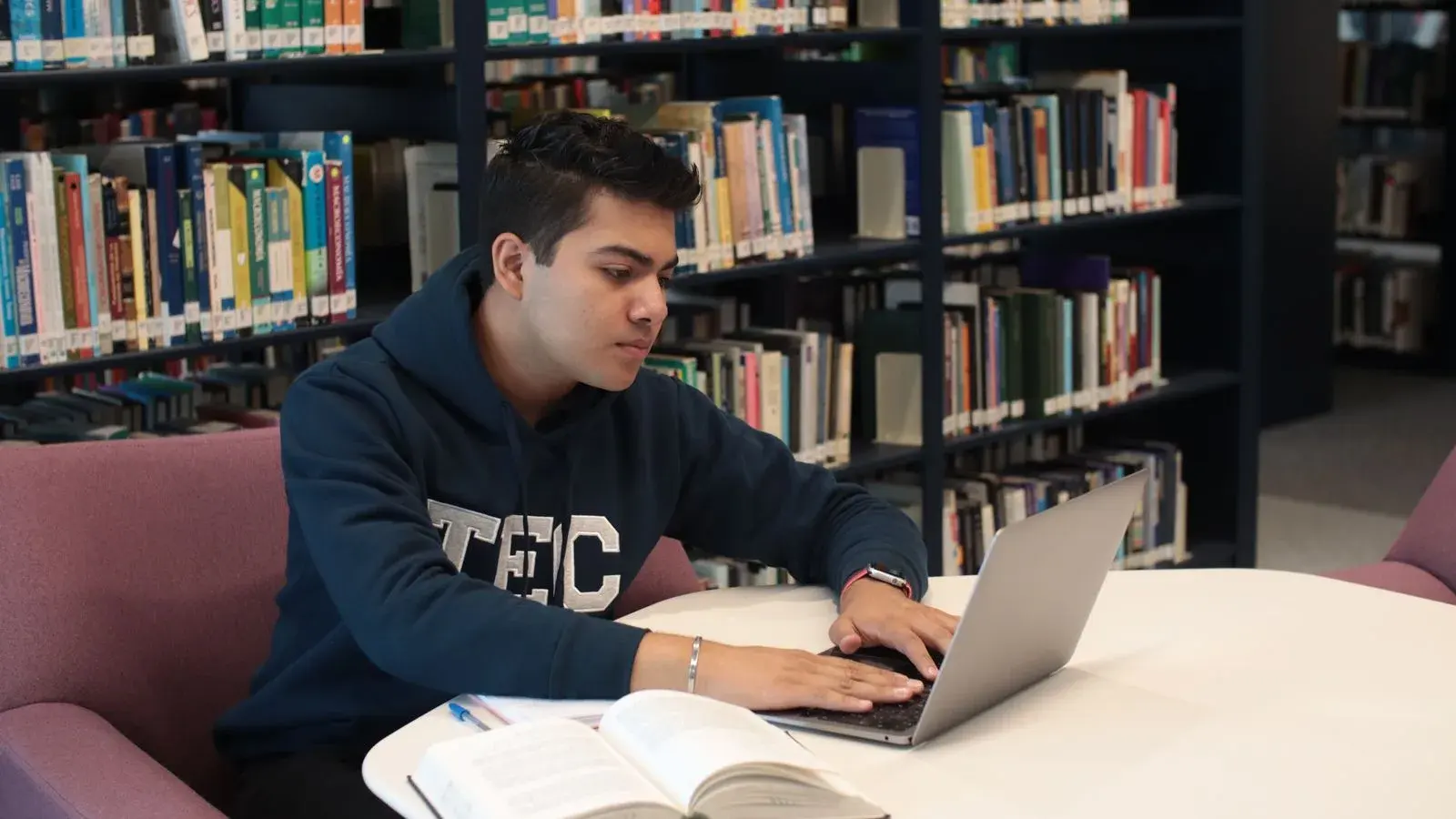
A student in a hoodie typing on a laptop at a library table with an open textbook beside him
study techniques13 min read

Best Study Techniques in 2026, Ranked by Research

The best study techniques for students, ranked by evidence: the two research rates highest, habits to drop, which method fits each subject, and a weekly plan.

A teenage student frowning with a hand on his forehead, trying to remember something while studying at a desk
memory13 min read

Why Do We Forget? How Memory Works and Fails

Why do we forget? How encoding, storage and retrieval work, the main theories of forgetting from decay to interference, and what students can do about each.

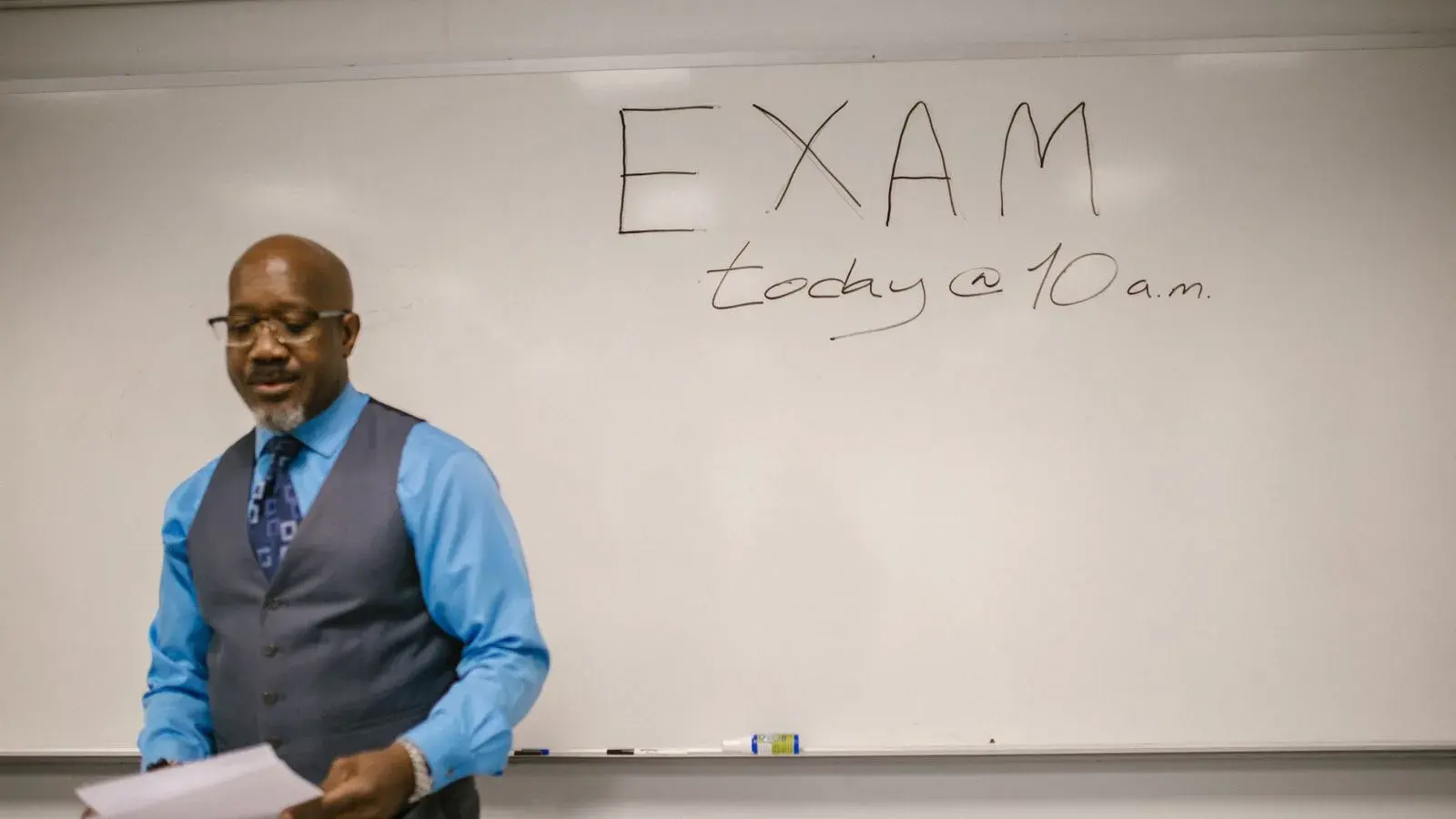
Teacher holding papers in front of a whiteboard that reads 'Exam today @ 10 a.m.'
exam preparation14 min read

How to Study for Exams: A 4-Week Plan to Exam Morning

How to study for exams step by step: a 4-week countdown built on practice tests, spaced review and mixed practice, plus the night before and exam morning.

A white desk with a spiral notebook, colored pencils, a sharpener, and a pencil case below two sticky notes
learning science14 min read

Retrieval Practice: The Testing Effect and How to Use It

Retrieval practice means recalling information to learn it. A century of testing-effect research, the landmark studies, when it works best, and how to use it.

Rows of students writing in notebooks during a lecture in a crowded classroom
study techniques13 min read

Interleaving: Why Mixed Practice Beats Blocking (Examples)

Interleaving means mixing problem types instead of doing one at a time. See the classroom evidence and copyable examples for math, science, and languages.

Three students studying at an outdoor table, one writing in a notebook
study techniques15 min read

Elaborative Interrogation: How It Works, Examples, Limits

Elaborative interrogation means asking 'why is this true?' as you study. How it works, what research found, examples by subject, and a 25-minute routine.

A person sketching small diagrams in a spiral notebook next to a laptop
study techniques14 min read

Dual Coding: How to Study With Words and Visuals

Dual coding pairs words with visuals so you have two ways to recall an idea. Paivio's theory, Mayer's research, examples by subject and a worked set of notes.

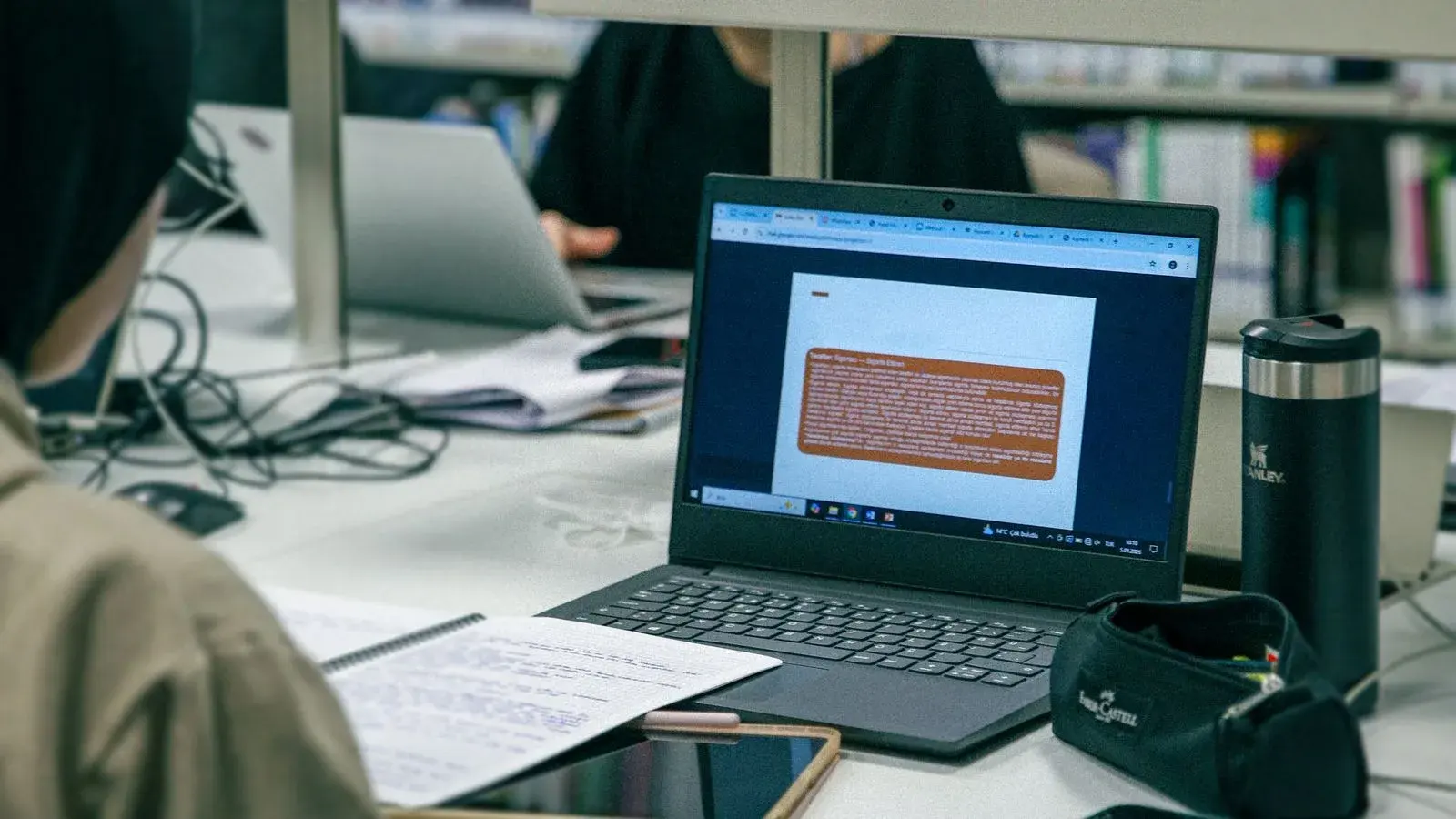
Laptop, notebook and water bottle on a shared library desk with students working in the background
learning science13 min read

Metacognition for Students: Strategies and Examples

Metacognition for students explained: plan, monitor, evaluate, why you overestimate what you know, and a 10-minute calibration routine to check yourself.

Two students at a classroom desk, one reading a paperback and one writing notes
study techniques14 min read

Self-Explanation Learning Technique: 12 Prompts and Examples

Self-explanation means explaining each step to yourself as you study. The research, worked examples, 12 prompts to use, and how the rubber duck method fits in.

Sticky notes, a pen, colored markers, and a stapler laid out on a light wooden desk
learning science12 min read

The Generation Effect: Why Making Answers Beats Reading

The generation effect: you remember what you produce yourself better than what you read. See the classic studies, its limits, and six ways to use it.