Featured article
What Is Active Recall? Definition, 6 Methods, 14-Day Plan
Active recall means pulling answers from memory instead of rereading. Learn why it works, 6 ways to practice it in any subject, and a 14-day plan to start.
Not every popular study method holds up in research. These guides explain the techniques with the strongest evidence and show how to use them in real courses and exams.
Showing 67 articles taggedStudy Techniques.

Copy 25 ChatGPT prompts for studying that quiz you, check your explanations and plan your review, with example replies and a quick way to verify answers.

A 12-week GMAT study plan for the Focus Edition: a diagnostic, Quant, Verbal and Data Insights blocks, an error log, and when to take each practice exam.

How to study chemistry: sort what to explain, calculate, and memorize, practice stoichiometry often, drill organic reactions with cards, and log your errors.

A 3-month LSAT study plan for the test without logic games: Logical Reasoning and Reading drills, blind review, an error log, and timed full tests.

How to study in nursing school: turn lectures into NCLEX-style questions, learn meds with spaced recall, practice clinical judgment, and plan every week.

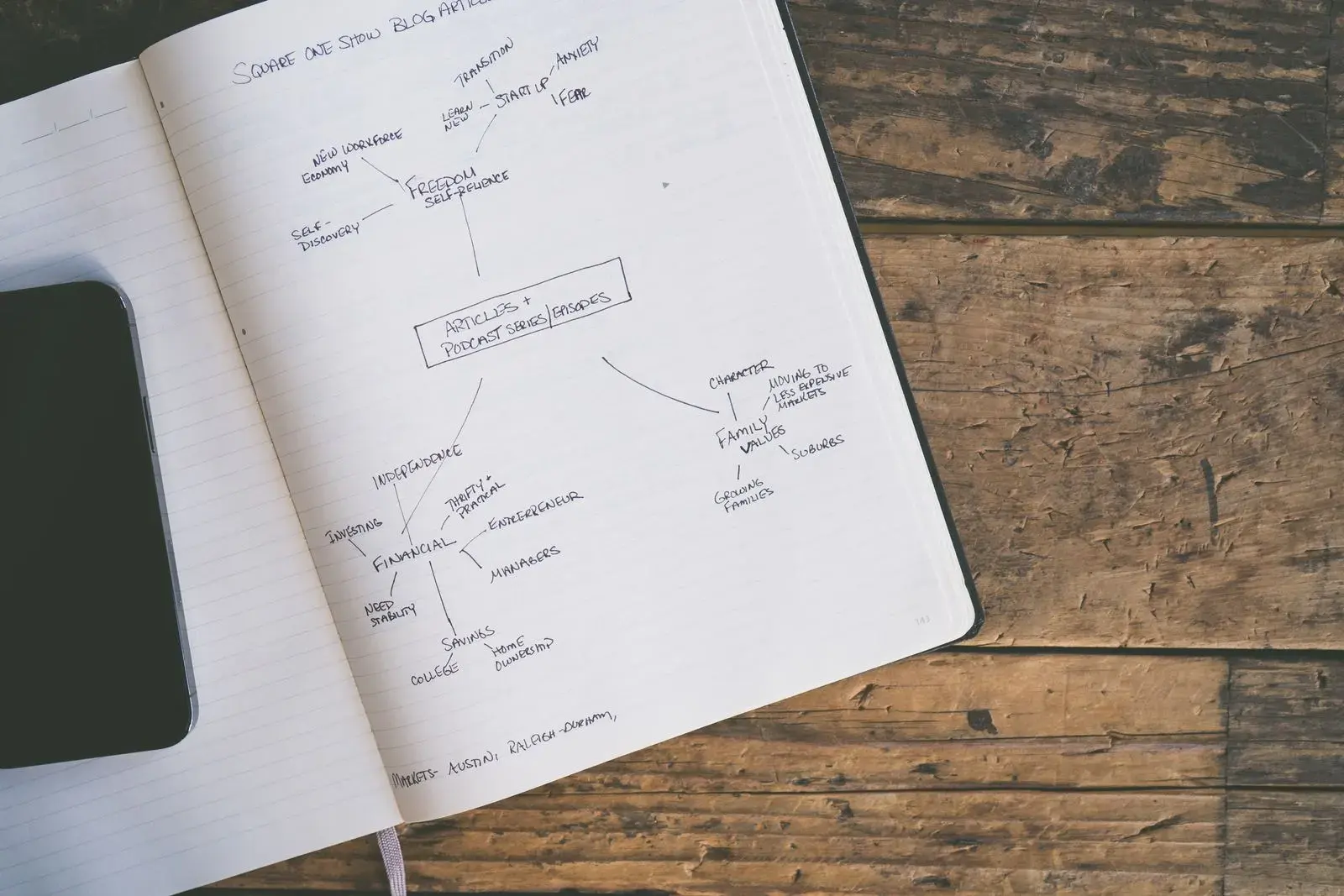
PDF to mind map, step by step: build the map by hand or with AI, fix its structure and links, then redraw it from memory so it actually helps you remember.

Spaced repetition means reviewing just before you forget. How it works, schedules to copy for paper or apps, and how SM-2 and FSRS set your intervals.

Rereading feels productive but builds recognition, not recall. See the research on active recall vs passive learning and a 7-day plan to switch over.

The best study techniques for students, ranked by evidence: the two research rates highest, habits to drop, which method fits each subject, and a weekly plan.

How to use flashcards effectively: one idea per card, answer before you flip, and relearn each card on 3 later days. Bad vs good card examples and a daily plan.

Use the Pomodoro technique for studying: the exact 25/5 method, active recall inside every block, 50/10 and 15/5 variants, and a copyable session template.

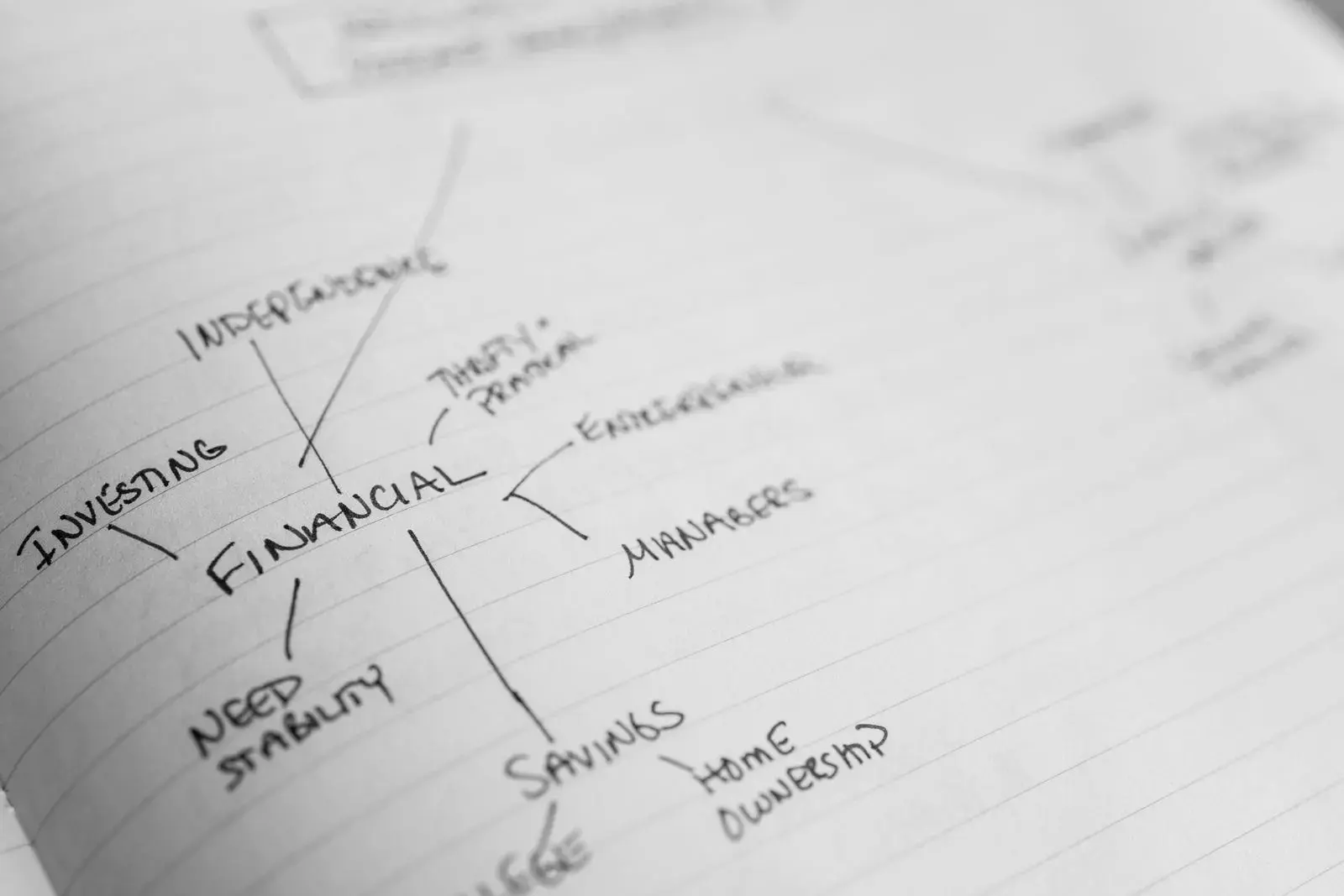
How to make a mind map for studying, step by step: a worked photosynthesis example, mind map vs concept map, and how to redraw it from memory to test yourself.