
Featured article
Why Do We Forget? How Memory Works and Fails
Why do we forget? How encoding, storage and retrieval work, the main theories of forgetting from decay to interference, and what students can do about each.
Mar 14, 202613 min read
Remembering depends on how you encode, store, and retrieve information. These guides explain each stage and the habits that make memories last.
Showing 22 articles taggedMemory.
Retrieval practice means recalling information to learn it. A century of testing-effect research, the landmark studies, when it works best, and how to use it.

Elaborative interrogation means asking 'why is this true?' as you study. How it works, what research found, examples by subject, and a 25-minute routine.

Dual coding pairs words with visuals so you have two ways to recall an idea. Paivio's theory, Mayer's research, examples by subject and a worked set of notes.

The generation effect: you remember what you produce yourself better than what you read. See the classic studies, its limits, and six ways to use it.
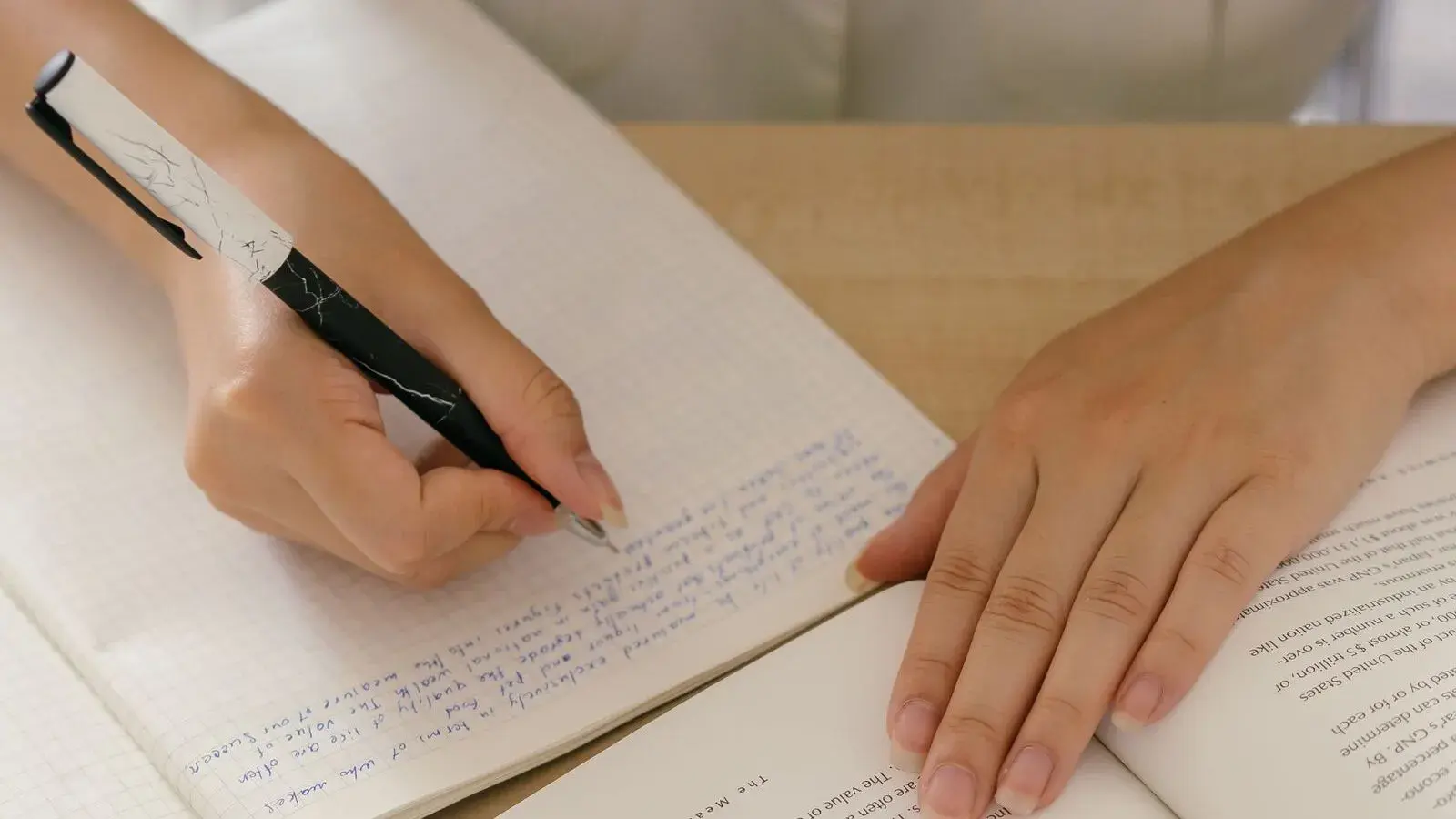
How to remember what you read: preview, read one section at a time, recall it from memory before moving on, and space your reviews. With a textbook example.

How sleep and memory are linked, why all-nighters backfire before exams, whether naps help you learn, and a simple sleep plan for students in exam season.

Are learning styles real? What the evidence says about VARK and the meshing hypothesis, why most teachers still believe it, and what helps learners instead.
Desirable difficulties make studying feel harder but make learning last. See Bjork's examples, the research, when difficulty backfires, and how to use it.

The chunking memory technique groups facts so working memory can hold more. See real examples, why Miller's 7±2 is outdated, and how to chunk your notes.
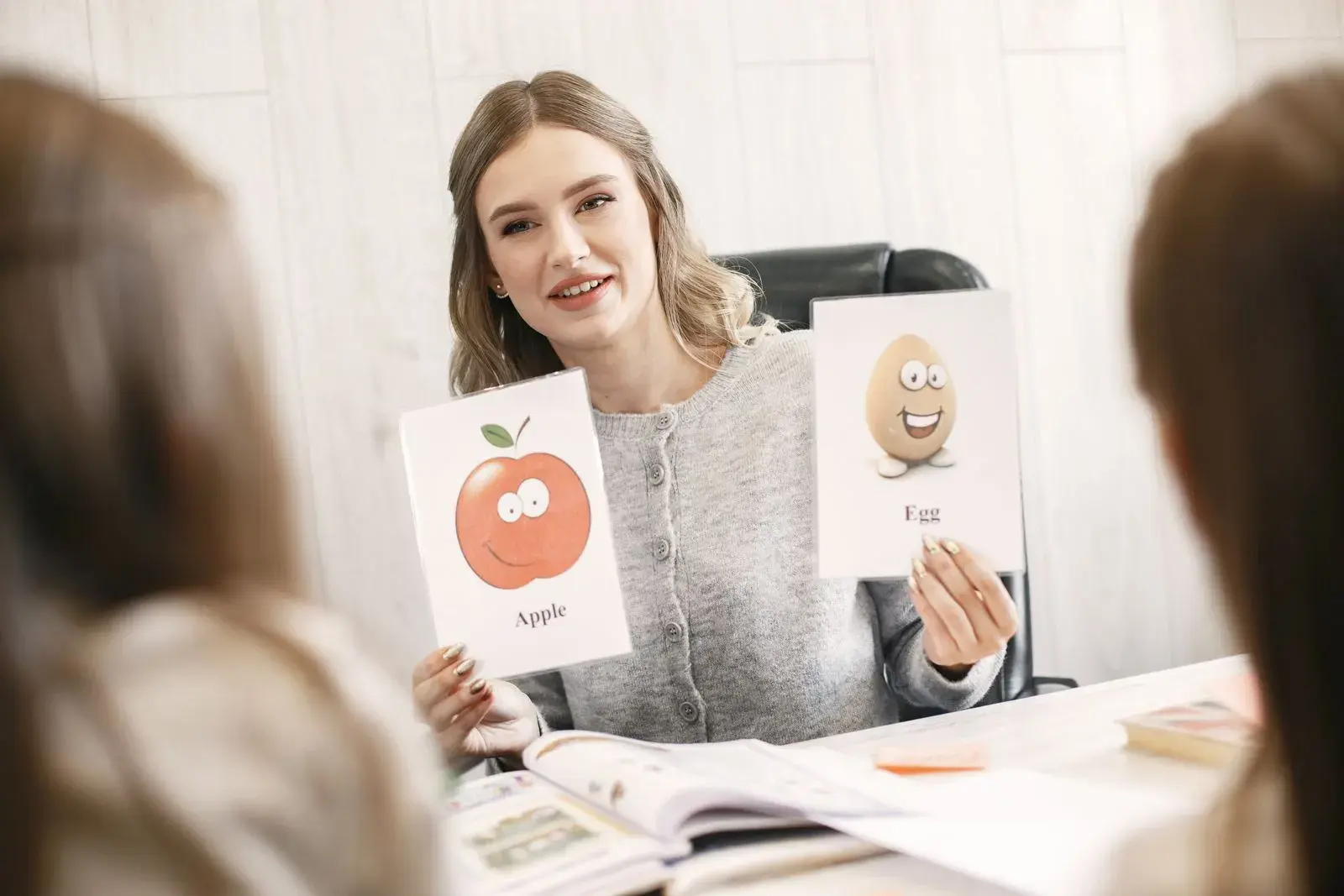
Mnemonic devices that work for students: acronyms, acrostics, the keyword and peg methods, 30+ examples by subject, and when active recall works better.

How to memorize vocabulary that sticks: self-testing, spaced repetition, context sentences, roots and keyword images for the GRE, SAT, IELTS or a new language.

How to memorize formulas: derive them from a few core equations, write formula sheets from memory, and drill situation-based cards on a spaced schedule.