subject study guides12 min read
Study Tips for Engineering Students: Problem Sets to Exams
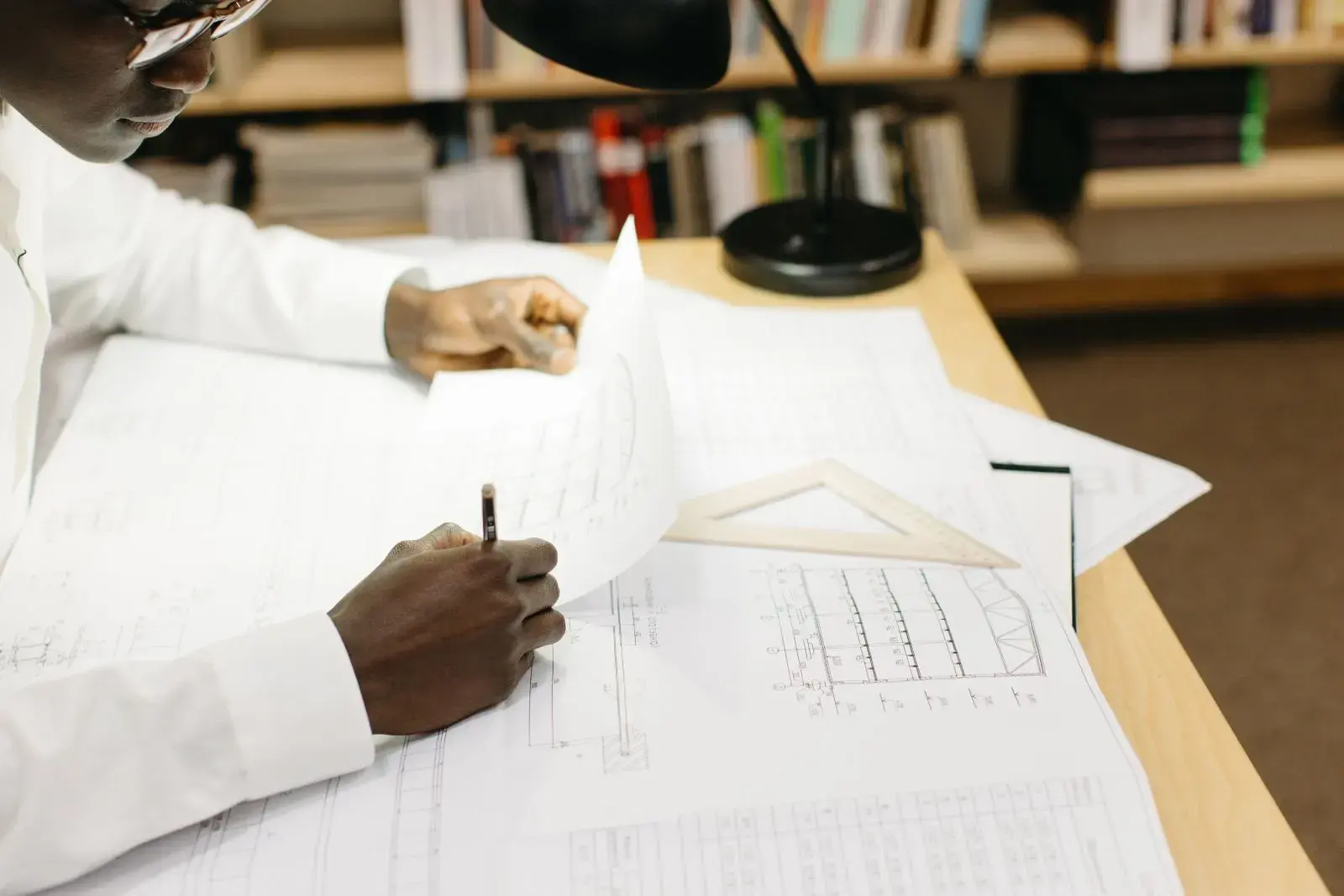
Study tips for engineering students: attempt problem sets before the solutions, run study groups that help, practice exam-style, and manage a heavy workload.
Not every popular study method holds up in research. These guides explain the techniques with the strongest evidence and show how to use them in real courses and exams.
Showing 67 articles taggedStudy Techniques.
Page 3 of 6
Study tips for engineering students: attempt problem sets before the solutions, run study groups that help, practice exam-style, and manage a heavy workload.
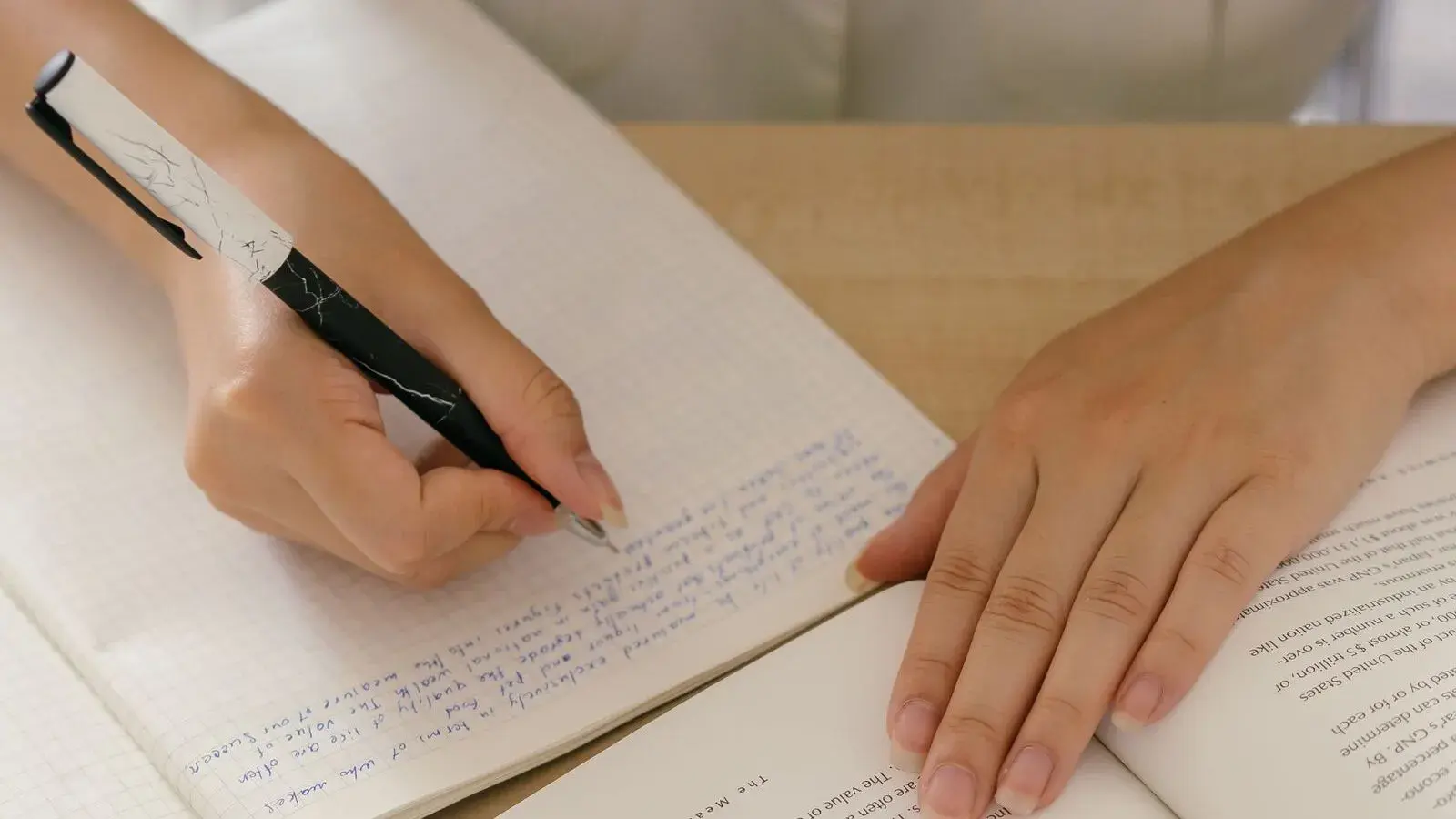
How to remember what you read: preview, read one section at a time, recall it from memory before moving on, and space your reviews. With a textbook example.

Six note-taking methods shown on the same lecture: Cornell, outline, mapping, charting, sentence, and boxing, plus a table of which method fits each class.
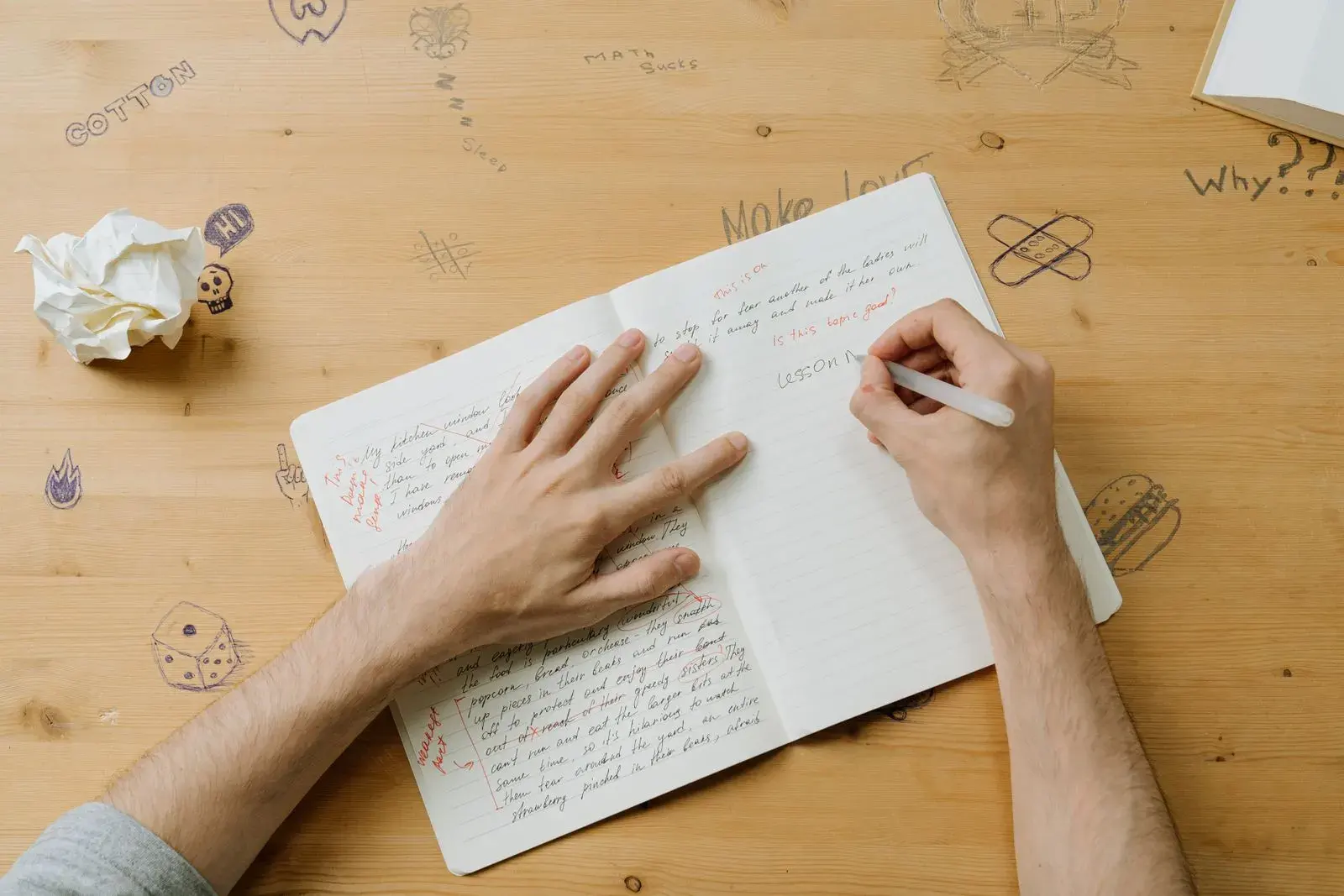
How to take Cornell notes: the page layout, a filled-in psychology lecture example, a template to copy, and how to turn the cue column into a self-quiz.

How to study math effectively: learn from worked examples, fade them out, mix problem types, explain each step, and keep an error log. Weekly routine inside.
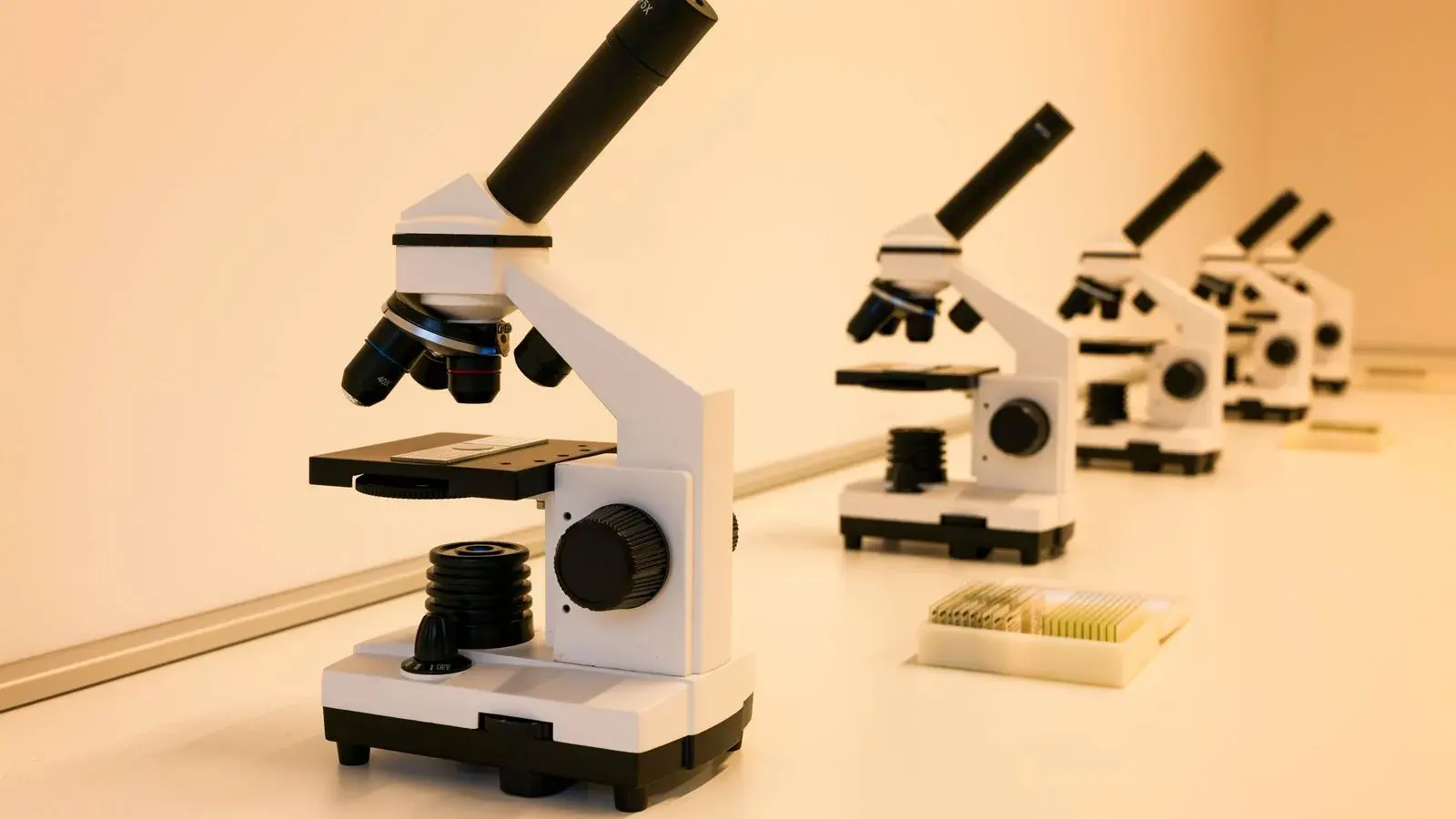
How to study science: draw biology diagrams from memory, explain processes, solve physics problems principle-first, prepare for labs, and mix your practice.

How to study history: build timelines from memory, map causes and effects, read sources like a historian and practice essays for AP and college exams.

Can't focus while studying? Why your attention drifts, six fixes including your study space setup, whether where you study matters, and a 50-minute routine.

Your phone costs focus even when you ignore it. See the research on notifications and multitasking while studying, and a 2-week plan for phone-free sessions.

Should you listen to music while studying? What research says about lyrics, tempo, and task type, why the Mozart effect is a myth, and how to test it yourself.
How to motivate yourself to study when you don't feel like it: find why you're stuck, start small, make the work matter, and spot burnout or depression.
Why students procrastinate and how to stop: find your trigger, shrink the first step to five minutes, use if-then plans, cut friction, and forgive slips.