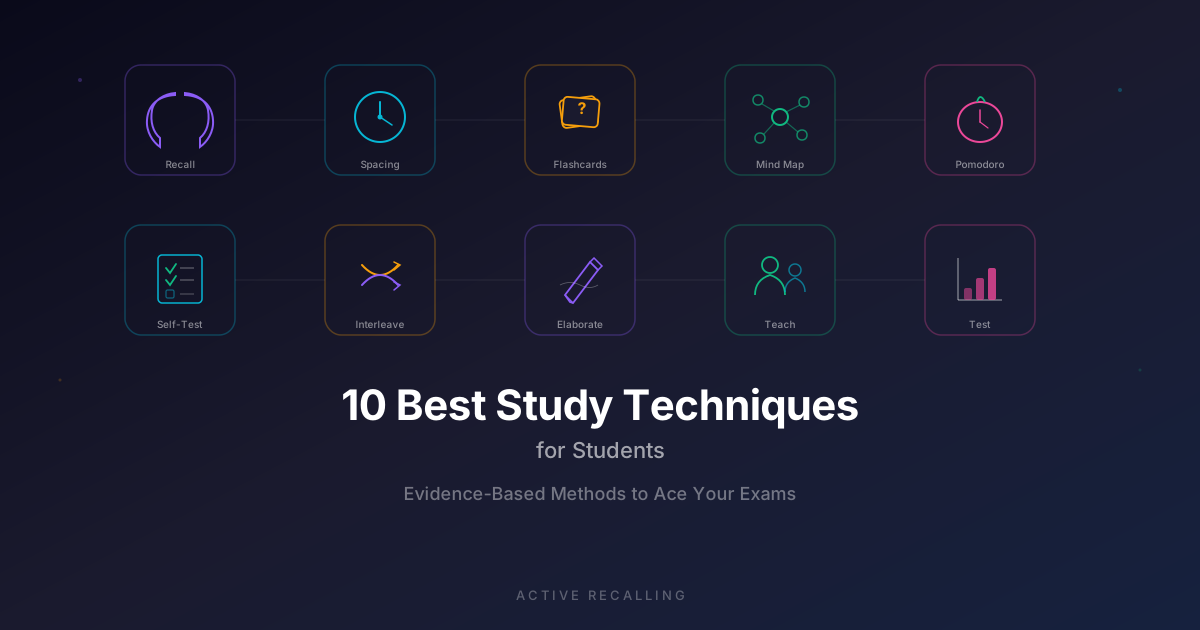
study techniques
learning
productivity
15 Best Study Techniques Ranked by Research (2026)
Explore the top 10 evidence-based study techniques that actually work, from active recall to interleaving, ranked by scientific effectiveness.
13 min read
Evidence-based guides on learning from the Active Recalling learning science blog. Browse 11 articles covering research, techniques, and practical strategies you can apply to your own studies.
Showing 11 articles taggedLearning.
Explore the top 10 evidence-based study techniques that actually work, from active recall to interleaving, ranked by scientific effectiveness.
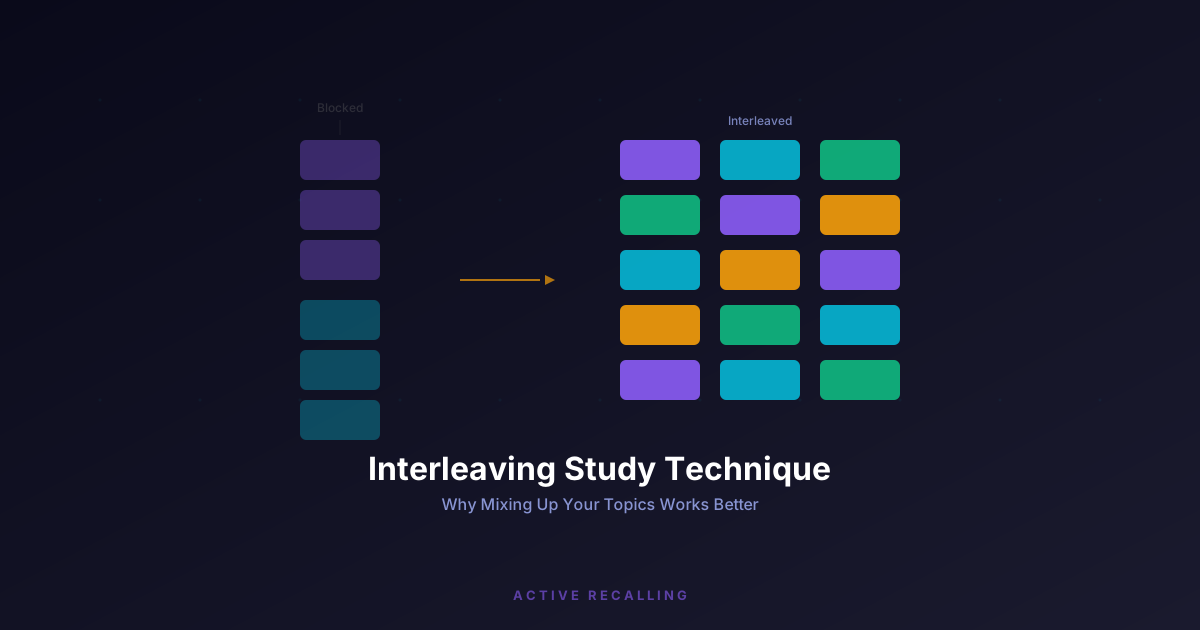
Learn why interleaving, the practice of mixing different topics during study sessions, leads to deeper learning and better long-term retention than studying one subject at a time. Explore the research and practical implementation strategies.
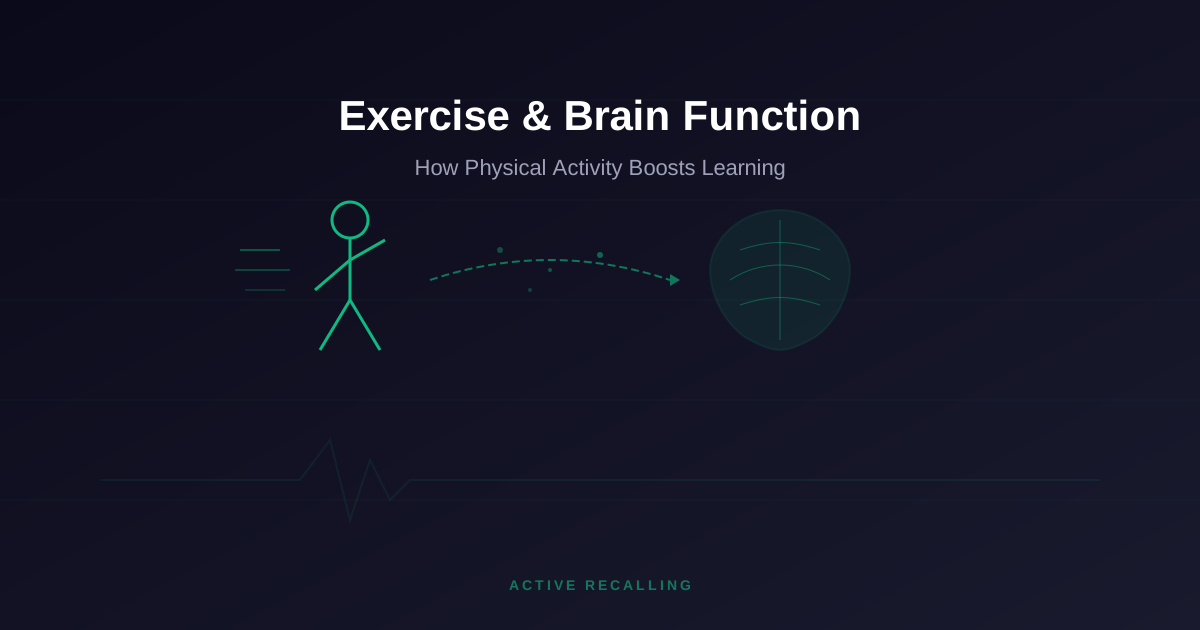
Learn how exercise enhances memory, attention, and cognitive performance through BDNF, neurogenesis, and improved brain blood flow. Includes practical workout recommendations for students.
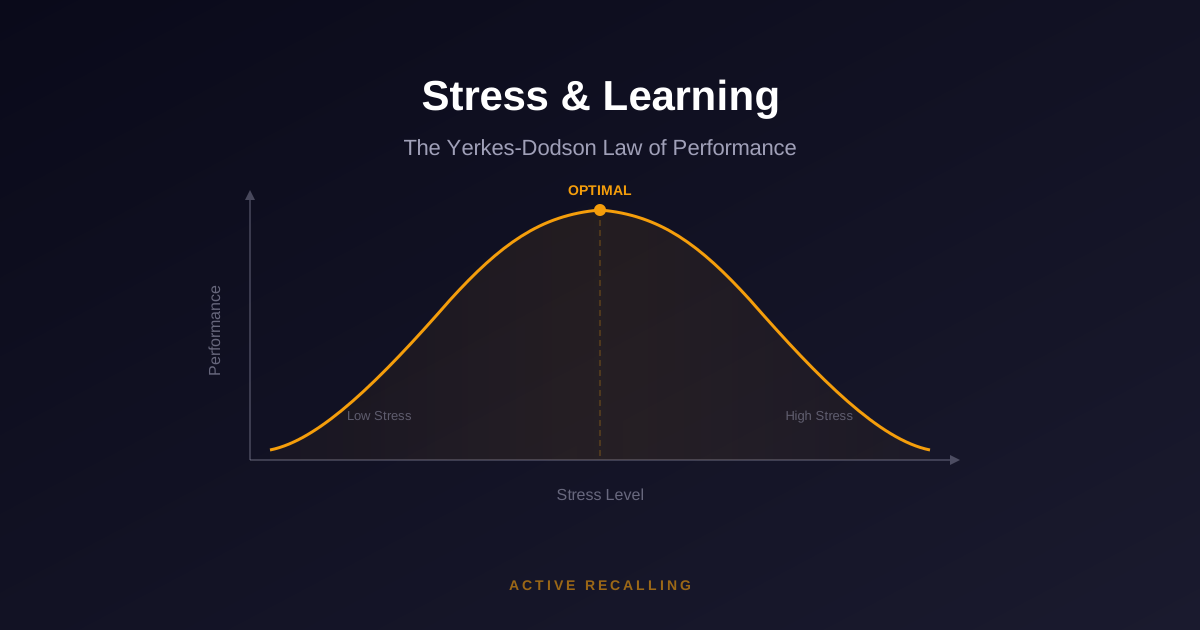
Understand how stress hormones impact memory formation, the Yerkes-Dodson law, and proven stress management techniques to optimize your learning performance.
Learn how lighting, noise levels, temperature, and organization affect your ability to learn. Design a study environment that maximizes focus and memory retention.

Master the Feynman Technique to learn faster and deeper. Discover the 4-step method Nobel physicist Richard Feynman used to understand complex topics by teaching them simply.
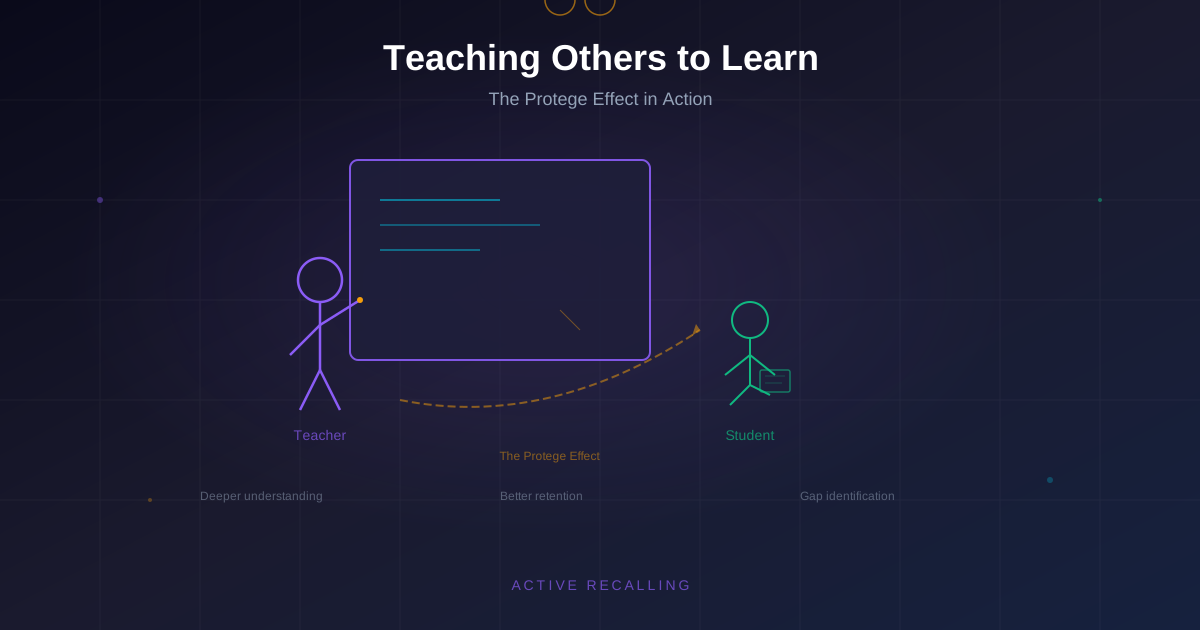
Explore the protégé effect and discover why teaching others is one of the most powerful learning strategies. Learn about the research, the preparation effect, and how to practice teaching.

Explore how working memory functions as your brain's mental workspace, its capacity limits based on Baddeley's model, and practical strategies to optimize learning within these constraints.
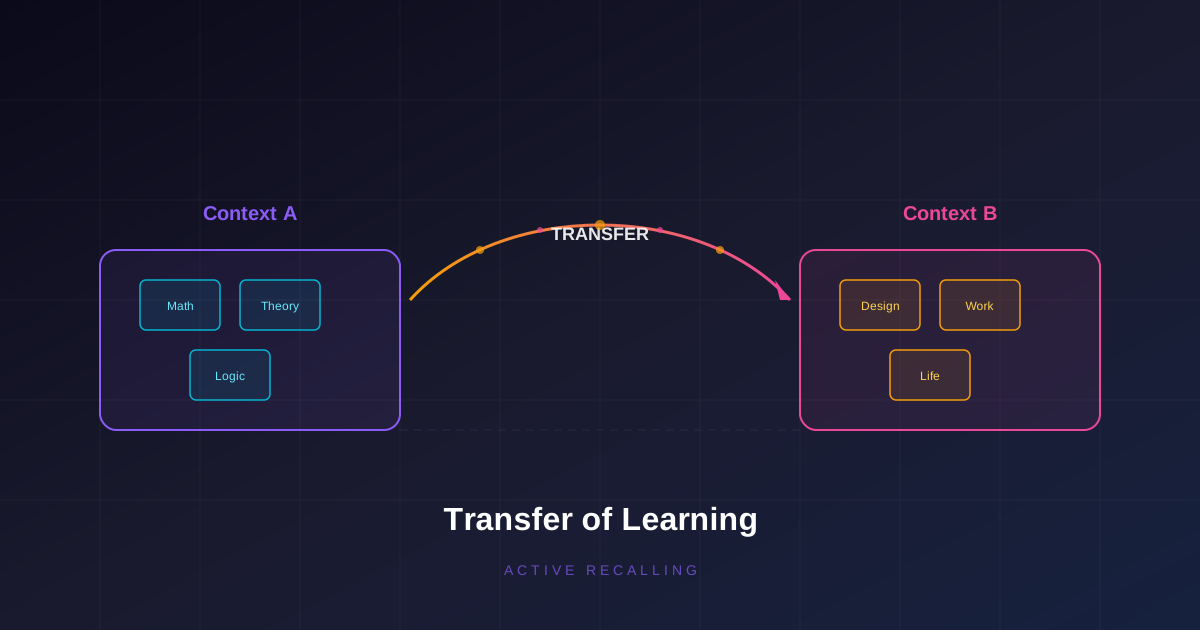
Learn how transfer of learning works, the difference between near and far transfer, and evidence-based strategies to help you apply what you learn to new and unfamiliar situations.
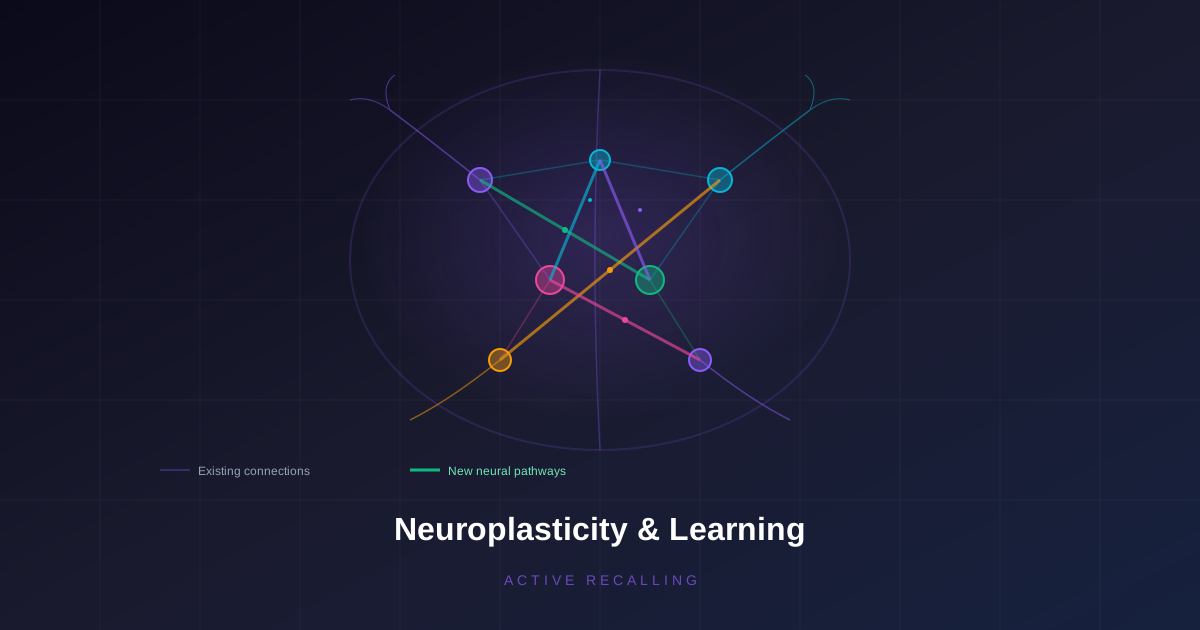
Explore how neuroplasticity enables your brain to physically change when you learn, from synaptic connections to adult brain growth, and what this means for your study habits and learning potential.

Learn deep processing strategies that help you study for genuine understanding rather than surface-level memorization. Explore Marton and Säljö's research and practical techniques for deeper learning.