active recall12 min read
How to Remember What You Read (Books and Textbooks)
How to remember what you read: preview, read one section at a time, recall it from memory before moving on, and space your reviews. With a textbook example.
Active recall means pulling an answer from memory before you check it. These guides cover the research behind it, ways to practice it in any subject, and exam plans built around it.
Showing 60 articles taggedActive Recall.
Page 4 of 5
How to remember what you read: preview, read one section at a time, recall it from memory before moving on, and space your reviews. With a textbook example.
How to take Cornell notes: the page layout, a filled-in psychology lecture example, a template to copy, and how to turn the cue column into a self-quiz.
How to study science: draw biology diagrams from memory, explain processes, solve physics problems principle-first, prepare for labs, and mix your practice.

How to study history: build timelines from memory, map causes and effects, read sources like a historian and practice essays for AP and college exams.
Is highlighting effective? Research rates it low utility. See why it rarely helps, when it can, and how to turn highlights into questions you can recall.
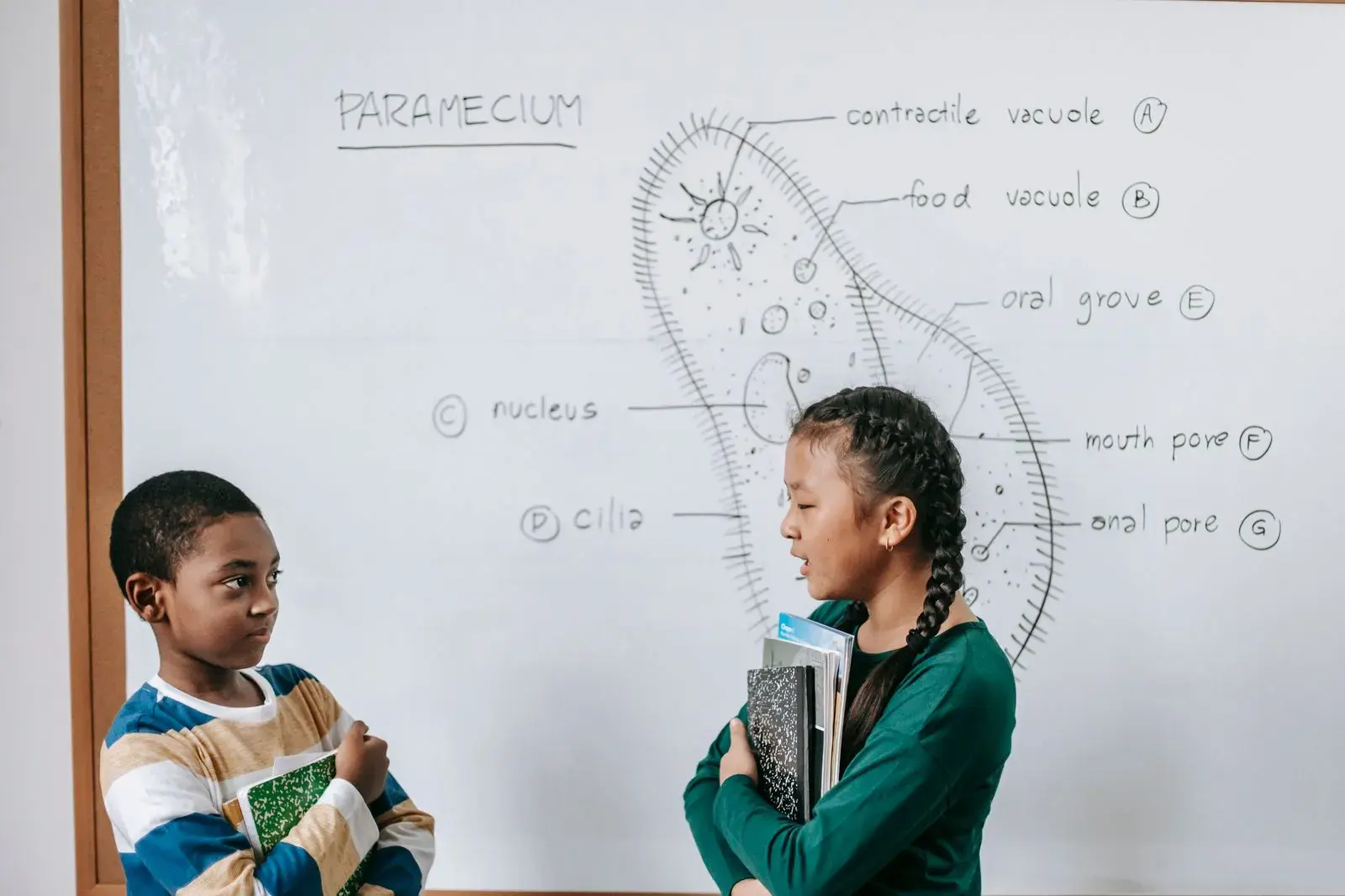
The Feynman technique in 4 steps, with a fully worked example (why we have seasons), examples from 5 subjects, a template to copy, and why it works.

The SQ3R method in 5 steps (survey, question, read, recite, review), with a real biology textbook example, a fill-in worksheet, and how it compares to PQ4R.

Are study groups effective? Yes, when you quiz and teach each other instead of rereading together. The research, roles, a 60-minute agenda, and when to go solo.

The protégé effect explained: why preparing to teach and teaching others boosts your own learning, what the research really shows, and 6 easy ways to use it.
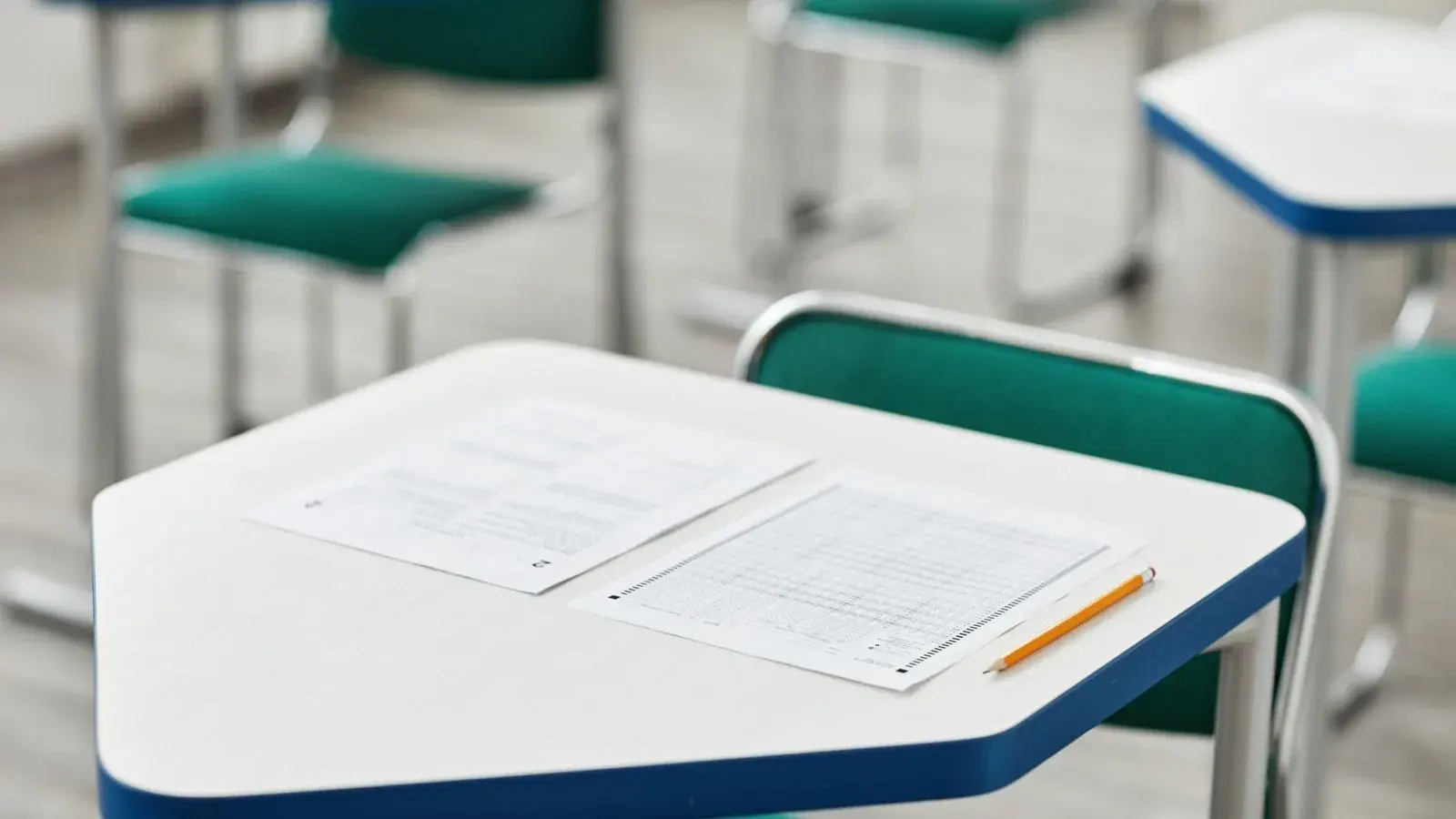
How to make a practice quiz that improves recall: pick question types, write fair multiple-choice options, add answer explanations, and use our free template.
The best AI tools for studying in 2026, grouped by job: tutoring, your own readings, flashcards, quizzes, mind maps and lecture notes, with honest limits.
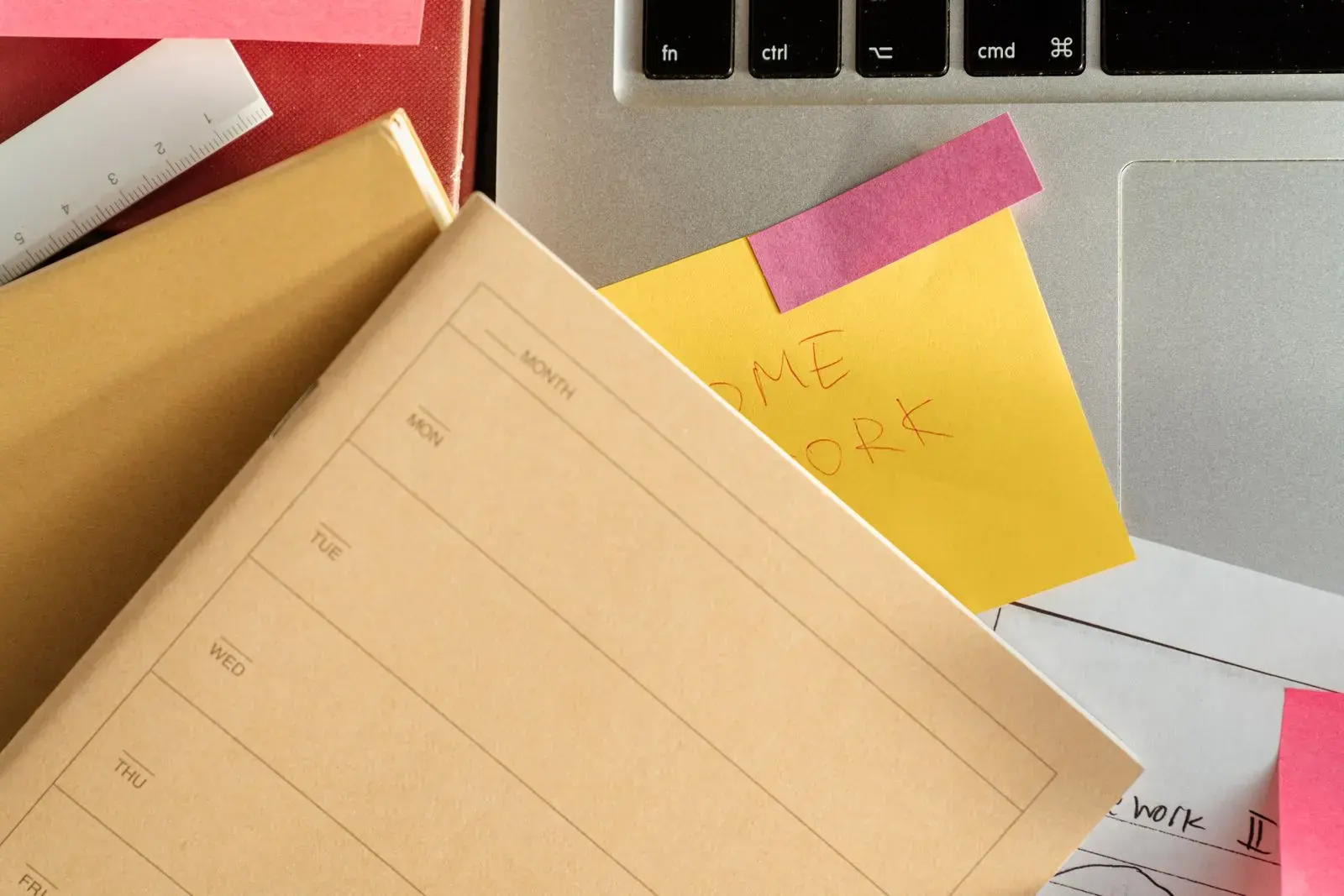
Build a second brain for students: PARA folders, compact Notion, Obsidian and Zettelkasten setups, which one to pick, and how to turn notes into recall.