study techniques13 min read
Best Study Techniques in 2026, Ranked by Research
The best study techniques for students, ranked by evidence: the two research rates highest, habits to drop, which method fits each subject, and a weekly plan.
Active recall means pulling an answer from memory before you check it. These guides cover the research behind it, ways to practice it in any subject, and exam plans built around it.
Showing 60 articles taggedActive Recall.
Page 3 of 5
The best study techniques for students, ranked by evidence: the two research rates highest, habits to drop, which method fits each subject, and a weekly plan.

How to use flashcards effectively: one idea per card, answer before you flip, and relearn each card on 3 later days. Bad vs good card examples and a daily plan.
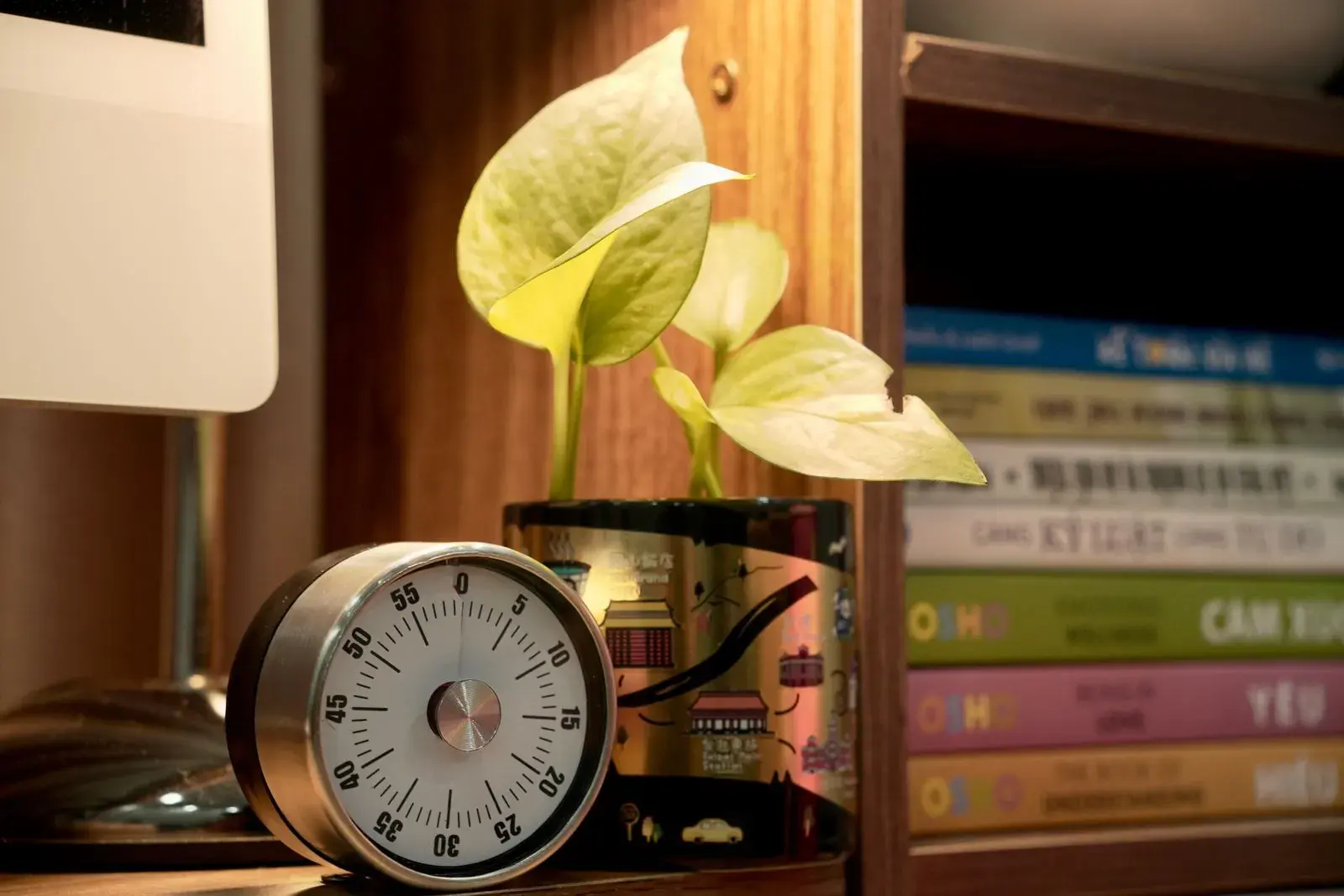
Use the Pomodoro technique for studying: the exact 25/5 method, active recall inside every block, 50/10 and 15/5 variants, and a copyable session template.
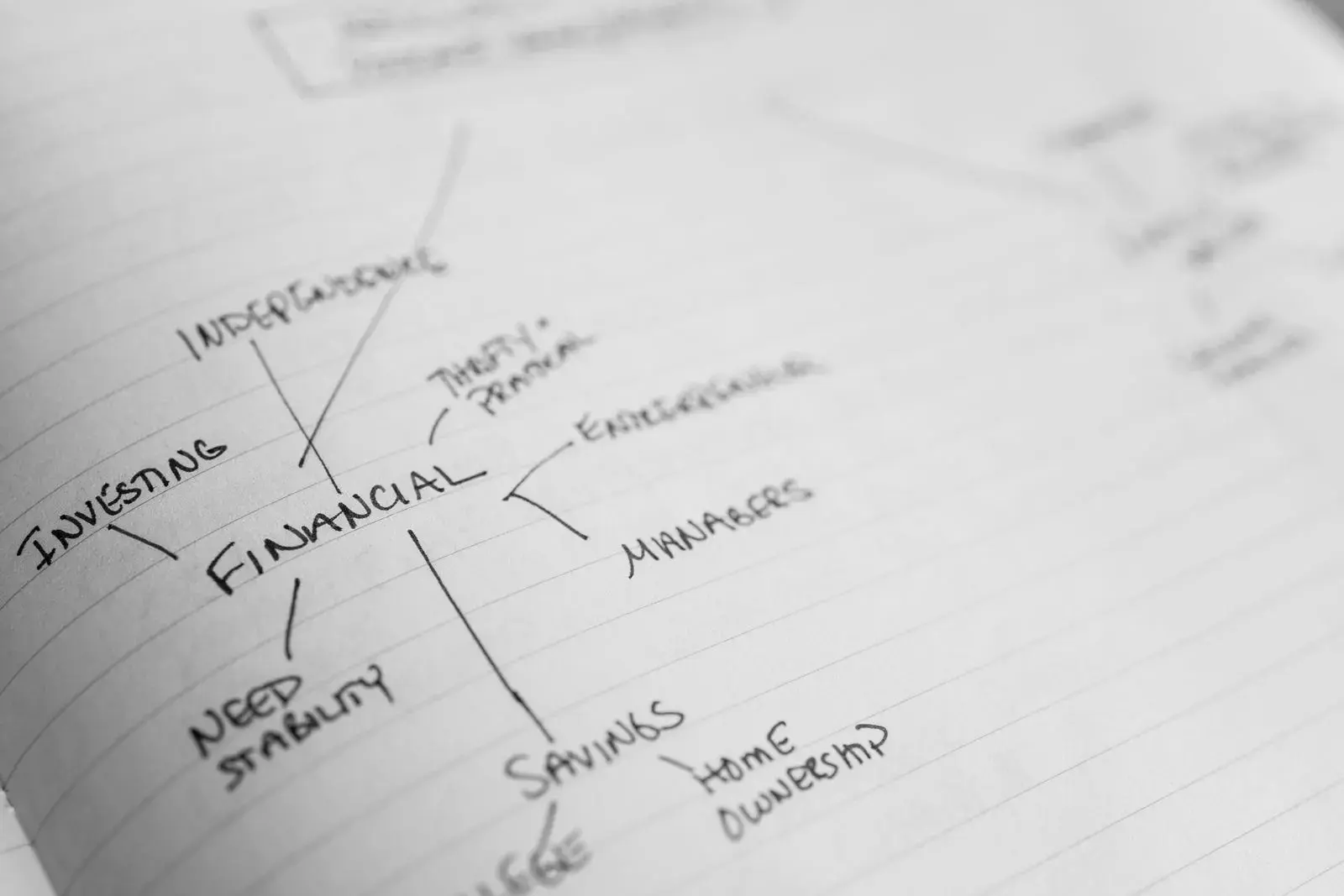
How to make a mind map for studying, step by step: a worked photosynthesis example, mind map vs concept map, and how to redraw it from memory to test yourself.

How to build a study routine you will keep: tie it to a cue, start small, plan each week with time blocks, run recall-based sessions and recover from misses.

Retrieval practice means recalling information to learn it. A century of testing-effect research, the landmark studies, when it works best, and how to use it.
Metacognition for students explained: plan, monitor, evaluate, why you overestimate what you know, and a 10-minute calibration routine to check yourself.

Self-explanation means explaining each step to yourself as you study. The research, worked examples, 12 prompts to use, and how the rubber duck method fits in.

The generation effect: you remember what you produce yourself better than what you read. See the classic studies, its limits, and six ways to use it.

How to study in medical school without burning out: a daily active recall routine, Anki, question banks, and how the system scales to Step 1 and Step 2 CK.

How to study in law school: brief cases in minutes, build an outline you can recall, drill rules with flashcards and write timed IRAC answers before finals.
How to learn a language fast without the hype: understandable input, frequent words first, spaced review, speaking from week one and real FSI timelines.