
learning science13 min read
Schema Theory: How Mental Schemas Help You Learn
Schema theory explained for students: Bartlett, Piaget, why prior knowledge speeds up learning, and a worked example of building a schema for a new topic.
Learning science studies how people remember and understand. These articles explain the key findings in plain language and what each one means for how you study.
Showing 45 articles taggedLearning Science.
Page 4 of 4
Schema theory explained for students: Bartlett, Piaget, why prior knowledge speeds up learning, and a worked example of building a schema for a new topic.
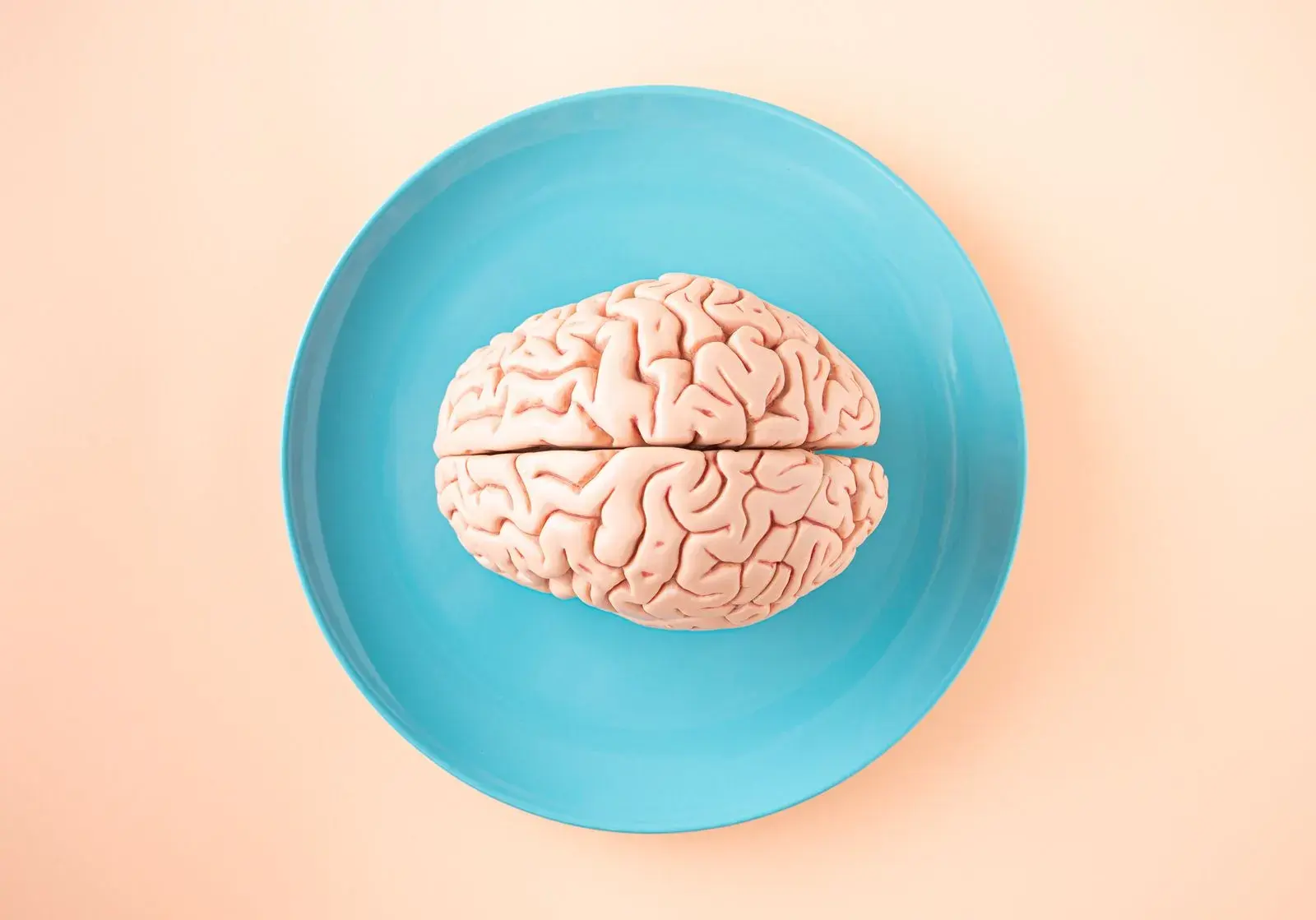
How neuroplasticity works when you learn: synapses, myelin and practice, what is evidence versus hype, and what it means for how you study day to day.

Bloom's taxonomy for students: the six revised levels with verbs, question stems, a worked example for one topic, and how to write study questions above recall.

Is it better to study in the morning or at night? What chronotype and sleep research says, and how to find the best time to study for your own schedule.

The pretesting effect: guessing answers before you study improves memory for them, even when the guesses are wrong. See the research and a 10-minute routine.

Mistakes help you learn when you review them the right way. See the research on errors and hypercorrection, plus an error log template for any exam.

Deep vs surface learning explained: what Marton and Säljö found, why exams push students toward memorizing, and practical ways to study for real understanding.
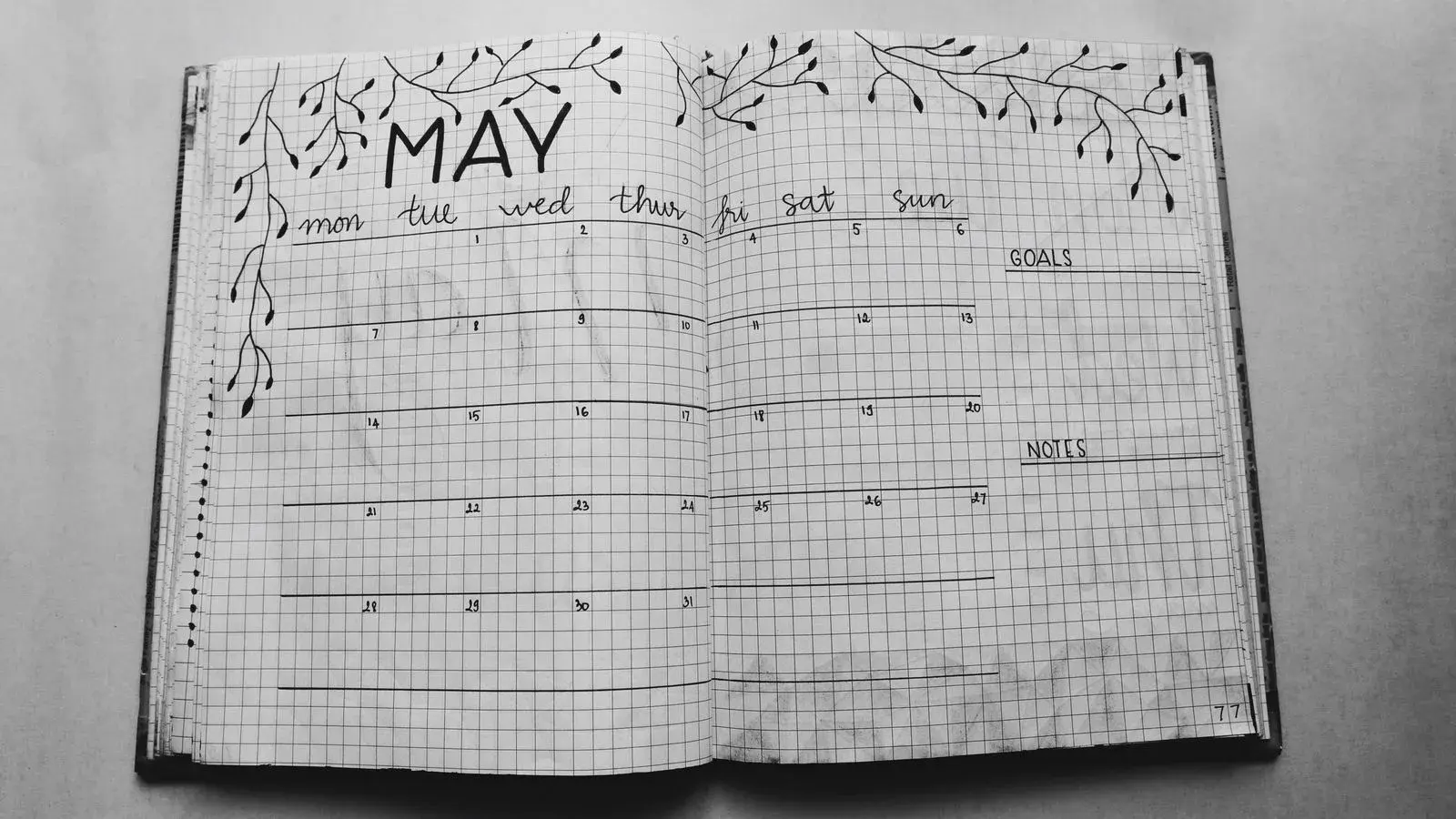
Self-regulated learning explained: Zimmerman's forethought, performance and self-reflection cycle, the evidence, and a weekly routine students can start today.