language learning12 min read
How to Learn a Language Fast: A Realistic Daily Method
How to learn a language fast without the hype: understandable input, frequent words first, spaced review, speaking from week one and real FSI timelines.
Spaced repetition brings material back just before you would forget it. Start here for review schedules, the algorithms apps use, app comparisons, and exam plans that spread study over weeks.
Showing 33 articles taggedSpaced Repetition.
Page 3 of 3
How to learn a language fast without the hype: understandable input, frequent words first, spaced review, speaking from week one and real FSI timelines.
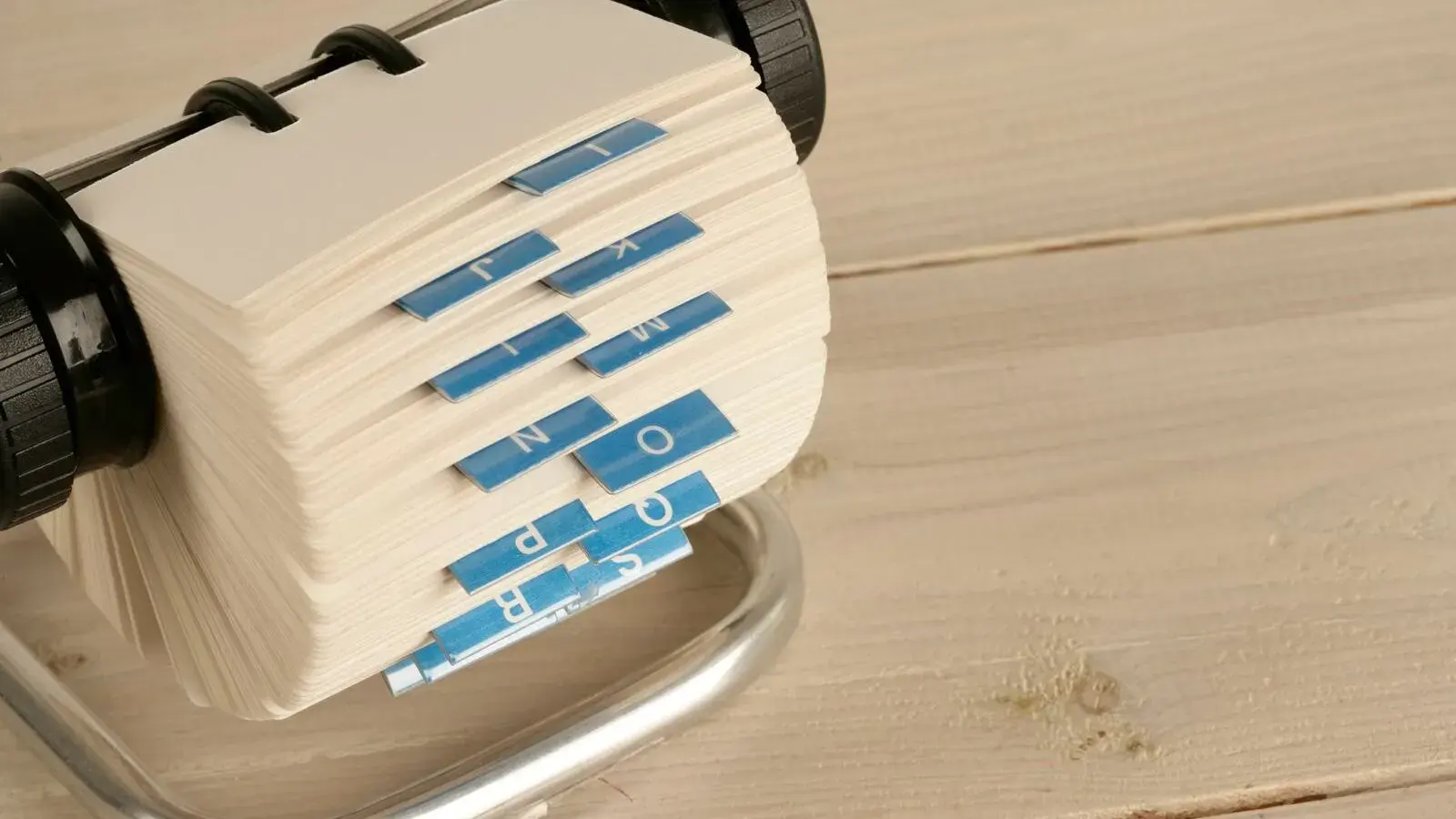
The Leitner system turns paper flashcards into spaced repetition. Set up 3 to 5 boxes, follow a weekly review schedule, and know when to switch to an app.

We compared 10 spaced repetition apps, including Anki, RemNote, Mochi and Quizlet, on scheduling, free plan and price (checked Oct 2026), and who each suits.

Digital vs paper flashcards: what studies say about handwriting, spacing, and making your own cards, plus a simple rule for when to use each format.
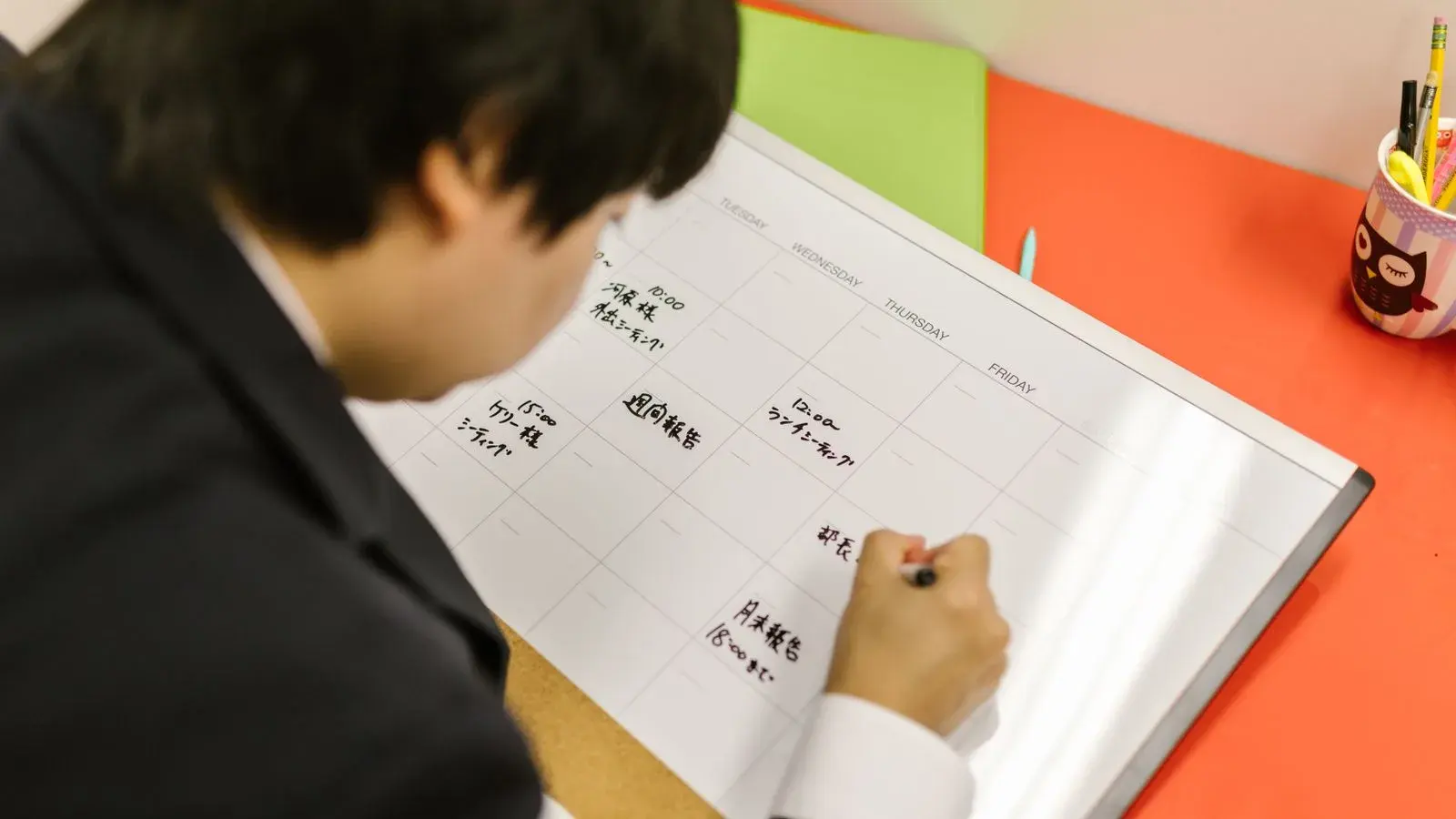
How to make a study plan you'll follow: map deadlines, count your real hours, build a weekly study schedule with spaced reviews, and adjust it. Free template.

How to memorize vocabulary that sticks: self-testing, spaced repetition, context sentences, roots and keyword images for the GRE, SAT, IELTS or a new language.

What the Ebbinghaus forgetting curve really shows: the 1885 data, a 2015 replication, the '70% forgotten in a day' myth, the formula, and how to beat it.
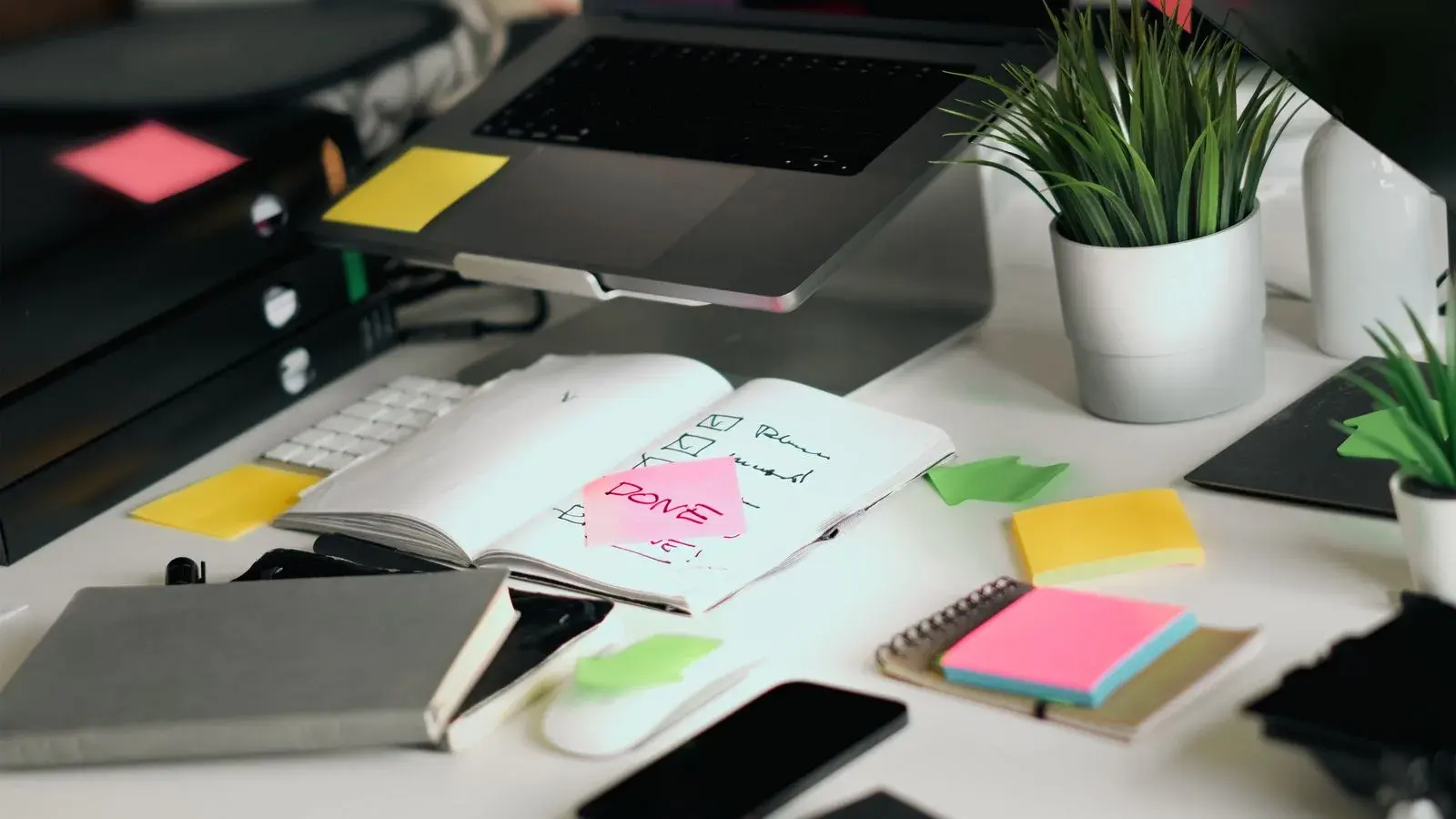
How to revise effectively: stop rereading and use self-testing, spaced review, interleaving and elaboration, plus a weekly review routine and timetable.